(858) 247-2933
Book
Book a consultation
Facelift, Southern California
A facelift (rhytidectomy) lifts and repositions the deeper tissues of the face and neck, the SMAS layer, not just the skin, to soften jowls, deep folds, and a sagging jawline and neckline. Tim Sayed MD, a double board-certified plastic surgeon, tailors the technique to your anatomy, from a short-scar mini lift to a deep plane facelift, and will tell you honestly whether surgery or a non-surgical option fits your goals. He sees facelift patients in San Diego and Newport Beach.
Lift
the deeper SMAS layer, not just skin
2
Board certifications
20+
Years in practice
4.6
Google rating
At a glance
A facelift does not freeze your face or change who you are. Done well, it turns the clock back several years and still looks like you, only rested and refreshed.
What it treats
Jowls, deep folds from the nose to the mouth, a heavy or blunted jawline, and loose neck skin and bands. A facelift addresses the lower face and neck; it does not lift the brow or treat the eyelids on its own.
Who it is for
Healthy adults, most often in their 40s to 70s, with visible sagging of the lower face or neck and realistic goals. Good general health and not smoking matter more than a specific age.
Techniques
From a short-scar mini lift to a full deep plane or SMAS facelift, often combined with a neck lift. Dr. Sayed matches the technique to how much laxity you have.
Anesthesia and time
Usually general anesthesia or deep sedation, about 3 to 5 hours depending on whether a neck lift or other procedures are combined.
Downtime
Most people take about two weeks before being social. Bruising and swelling settle over 3 to 4 weeks, and the result keeps refining for several months.
How long it lasts
A facelift does not stop aging, but most patients enjoy the result for roughly 10 years. Sun protection and good skin care help it last.
Why a facelift
Non-surgical treatments soften lines and replace lost volume, but once the deeper tissues and skin have descended, only surgery lifts them back into position. If you find yourself pulling your cheeks up in the mirror to see a cleaner jawline, that lift is what a facelift delivers.
Tightening the deeper SMAS layer rebuilds a clean jawline and softens jowls in a way fillers cannot match once laxity is established.
See who is a candidate
A facelift, usually paired with a neck lift, removes the loose skin and vertical bands that make the neck look older than the face.
Repositioning deep tissue rather than over-pulling skin avoids a tight, pulled look and keeps your expressions your own.
Meet Dr. Sayed
Surgery resets the clock for about a decade, far longer than repeated non-surgical maintenance.
Combining the face and neck, and sometimes the eyelids or brow, means a single recovery instead of several.
From a mini lift to a deep plane facelift, the plan fits your anatomy and goals, not a one-size template.

Book a facelift consultation
Techniques
The best facelift is the least surgery that gives a lasting, natural result. Matching the technique to your anatomy matters more than the name of the operation.
There is no single facelift. The right approach depends on how much laxity you have, where it sits, and how long you want the result to last. Here is how the main options compare.
Most patients do best with a SMAS or deep plane facelift combined with a neck lift. In your consultation Dr. Sayed examines your face and neck, then recommends the approach that fits, nothing more aggressive than you need.
What it treats
A facelift repositions sagging tissue and removes loose skin, which makes it the gold standard for jowls, a heavy jawline, and a loose neck. On its own it does not erase fine lines, sun damage, or dark circles under the eyes.
When the skin needs attention too, Dr. Sayed pairs the lift with facial fat transfer to restore volume, or with eyelid or brow surgery and skin treatments, so the surface matches the lift.
Being clear about this up front is how you avoid disappointment. A lift makes the face look lifted; it does not make aged skin look new. When both matter, they are planned together.
The procedure
Every facelift is tailored to the face in front of him, so no two are identical, but most follow the same arc from careful planning to a tension-free close.

01
Dr. Sayed examines your skin, deeper tissue, and neck, reviews your health and goals, and maps the technique, incisions, and whether to combine a neck lift, eyelids, or fat transfer.
02
Incisions follow the hairline and the natural creases around the ear, where they heal as fine, hidden lines. A neck lift adds a small incision under the chin when needed.
03
He lifts and repositions the deeper SMAS layer and, in a deep plane lift, releases the ligaments that tether the midface, so the lift comes from the foundation rather than the skin.
04
If the neck is treated, he tightens the platysma muscle and refines the jawline and under-chin area so the neck matches the lifted face.
05
Only then is the skin redraped with no tension and the small excess trimmed. Tension-free closure is what keeps scars fine and the result natural.
06
Fine sutures close the incisions, a light dressing supports the result, and most patients go home the same day. Dr. Sayed follows you closely through healing.
A facelift is surgery under anesthesia and carries the usual risks: bruising, swelling, temporary numbness, bleeding or a collection of blood under the skin, infection, and healing problems, which are higher in smokers. Rarely, temporary weakness of a facial-nerve branch can occur.
Most of these are uncommon and settle with time, and your consultation covers each one along with how Dr. Sayed lowers the risk, from technique to aftercare.
If your main concern is skin texture, fine lines, or lost volume rather than sagging, Dr. Sayed may recommend starting with non-surgical treatments or fat transfer instead of surgery.
And if a mini lift would give you most of what you want with less recovery, he will say so. The goal is the right amount of surgery, not the most.
Your options
You do not have to decide the technique before you walk in. Dr. Sayed recommends the lightest operation that gives a lasting, natural result for your anatomy.
A facelift is not one operation. The right choice depends on how much the face and neck have descended and how long you want the result to hold. These are the main paths.
See how a neck lift pairs with a facelift
A shorter-scar lift for early jowling and mild laxity, tightening the lower face through limited incisions around the ear.
Recovery is the lightest of the surgical options, and the scars are the shortest.
Best for younger patients or anyone wanting a subtle, natural refresh rather than a dramatic change.
The workhorse facelift. It lifts and tightens the deeper SMAS layer, not just the skin, to rebuild a clean jawline and soften jowls.
The skin is redraped with no tension, so the result looks natural and the scars stay fine.
Best for moderate lower-face and jawline laxity, and it holds for about a decade.
The most complete lift. It releases the ligaments that tether the midface and repositions deeper tissue as one unit.
This lifts the cheek, jawline, and folds together and tends to last the longest.
Best for heavier midface and jowl descent, and it is often combined with a neck lift.
How much laxity. Mild sagging may suit a mini lift; heavier descent calls for a SMAS or deep plane lift.
The neck. Loose skin or bands usually mean adding a neck lift so the neck matches the lifted face.
Skin quality and volume. Thin, sun-damaged skin or lost volume may call for fat transfer or skin treatments alongside the lift.
Your health and habits. Good general health and not smoking lower the risks and improve healing.
Your goals and downtime. How much change you want and how much recovery fits your life guide the final plan.
Case studies
Dr. Sayed documents his facelift cases so you can see natural, lasting results on real patients, not stock photos. Browse by the kind of lift that fits your concern.
Gallery 01
The most complete lift, repositioning the midface, jawline, and folds together for heavier descent.
Gallery 02
The workhorse combination: a clean jawline and a smooth neck through a single recovery.
Gallery 03
Early jowling refreshed with shorter scars and a lighter recovery.
Gallery 04
Lifting paired with fat grafting to restore volume where the face had hollowed.
Results vary from patient to patient, and photographs are shared with consent. A consultation is the only way to know what is realistic for you.
Cost
When you compare quotes, ask what is included: the surgeon, anesthesia, the facility, and follow-up. A low number that leaves these out is not really lower.
A facelift in Southern California commonly runs about $15,000 to $30,000 or more, covering the surgeon, anesthesia, and the facility. A mini lift sits at the lower end; a deep plane facelift with a neck lift sits higher. Your exact quote comes after an in-person exam.
The technique. A short-scar mini lift costs less than a full SMAS or deep plane facelift.
Adding a neck lift or other procedures. A neck lift, eyelids, brow, or fat transfer each add operating time, though combining them saves a second anesthesia and recovery.
Anesthesia and facility. Longer, combined procedures mean more anesthesia and operating-room time.
Surgeon experience. A double board-certified surgeon with decades of facelift experience is priced accordingly, and it shows in the result.
Financing. Monthly payment plans through third-party lenders spread the cost.
Recovery
Most facelift patients are up and gently moving the day of surgery, presentable in public in about two weeks, and back to full activity by around six weeks, with swelling settling over several months.
Surgery day
Outpatient, home within a few hours with a light dressing. Expect tightness and mild soreness, controlled with medication.
Days 2 to 7
Bruising and swelling peak then begin to ease. Keep your head elevated and take short, frequent walks. Sutures and any drains usually come out this week.
Weeks 2 to 3
Most people feel presentable and return to desk work and social plans, covering any residual bruising with makeup. Driving once you are off prescription pain medication.
Weeks 4 to 6
Light cardio resumes, then fuller activity and exercise once Dr. Sayed clears you. Numbness around the ears and neck keeps improving.
Months 3 to 6
The last swelling resolves, scars continue to fade, and the final, settled result shows.
Sleeping. On your back with your head elevated for the first couple of weeks to limit swelling.
Scars. Placed in the hairline and natural ear creases, they heal as fine lines and keep fading over 12 months.
Hair and makeup. You can usually wash your hair within a few days and cover residual bruising with makeup by week two.
Working out. Walking from day one, light cardio around four weeks, full exercise once cleared near six weeks.
How you look early on. Tight, swollen, and a little numb at first. This is normal and eases over weeks, not days.
Will it last. A facelift does not stop aging, but most patients enjoy the result for roughly a decade, longer with sun protection and good skin care.
Your surgeon
For Dr. Sayed, a facelift done right means lifting from the deeper layer, closing without tension, and keeping you looking like yourself, only rested.
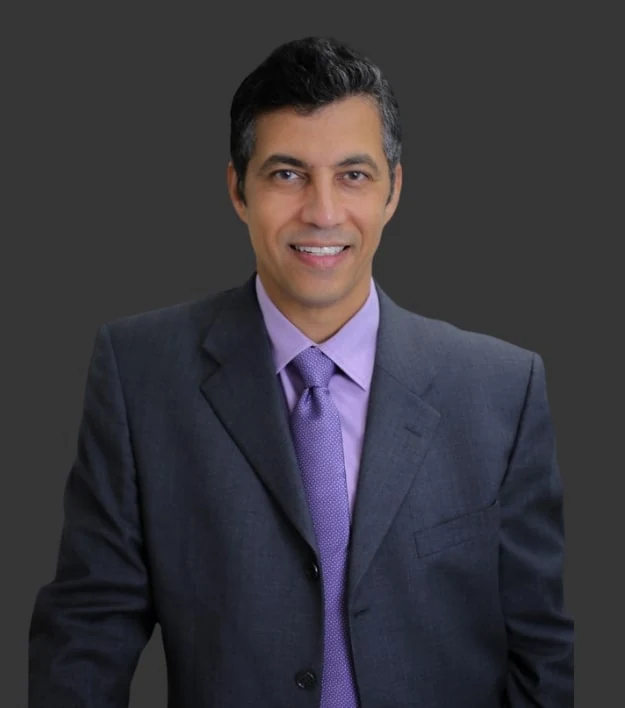
Tim Sayed MD, MBA, FACS is a double board-certified plastic surgeon, certified by both the American Board of Plastic Surgery and the American Board of Surgery. He trained at UCSF and at Harvard's Massachusetts General Hospital, and earned an executive MBA from Northwestern's Kellogg School of Management.
Over more than 20 years in practice, Dr. Sayed has made aesthetic facial and body surgery the center of his work. Patients choose him for a facelift because he favors the deeper-plane techniques that lift from the foundation, closes skin without tension so scars stay hidden, and recommends the least surgery that achieves a natural, lasting result.
American Board of Plastic Surgery
Board certified and recertified
American Board of Surgery
Board certified and recertified
UCSF School of Medicine
MD and plastic surgery residency
Harvard, Mass General
General surgery training
Kellogg School of Management
Executive MBA, Northwestern
Alpha Omega Alpha
National medical honor society
Serving San Diego and Orange County
Dr. Sayed sees facelift patients at two Southern California offices. His San Diego office is in University City at 4510 Executive Drive, Suite 210, minutes from UTC, La Jolla, and Del Mar. His Orange County office is in the Newport Beach Airport Area at 3991 MacArthur Boulevard, Suite 320, near Fashion Island. Patients travel to him from across the region, including Los Angeles.
Southern California makes recovery easier. In the first weeks after a facelift, gentle daily walks along the region's flat coastal paths, in mild and dry weather, support healing without strain.
Tim Sayed MD, Southern California
Offices
San Diego: 4510 Executive Drive, Suite 210, San Diego, CA 92121. Newport Beach: 3991 MacArthur Boulevard, Suite 320, Newport Beach, CA 92660.
Phone
(858) 247-2933
San Diego area
University City, UTC, La Jolla, La Jolla Shores, Torrey Pines, Del Mar, Carmel Valley, Encinitas
Orange County area
Newport Beach, Corona del Mar, Costa Mesa, Irvine, Laguna Niguel, Laguna Beach

Bring the changes that bother you and the result you are hoping for. Dr. Sayed will examine your face and neck, explain which lift fits, and lay out the plan honestly, so you can decide with clear information.
Questions
In Southern California a facelift commonly runs about $15,000 to $30,000 or more, depending on the technique and whether a neck lift or other procedures are combined. The quote covers the surgeon, anesthesia, and facility. Your exact price follows an in-person exam.
A facelift does not stop aging, but most patients enjoy the result for roughly 10 years. Deep plane lifts tend to last longest. Sun protection, not smoking, and good skin care all help it hold.
Through incisions hidden in the hairline and the creases around the ear, Dr. Sayed lifts and repositions the deeper SMAS layer, tightens the neck when needed, then redrapes the skin with no tension and trims the small excess. The lift comes from the foundation, not the skin.
A deep plane facelift releases the ligaments that tether the midface and lifts the deeper tissue as one unit, rather than lifting skin and SMAS separately. It gives the most complete lift of the cheek, jawline, and folds and tends to last the longest.
A mini (short-scar) lift uses smaller incisions to tighten early jowling and mild laxity, with a lighter recovery. A full SMAS or deep plane facelift addresses moderate to heavy sagging and lasts longer. Dr. Sayed recommends the lightest lift that meets your goals.
There is no single right age. Candidacy is about how much the face and neck have descended and your general health, not a number. Healthy patients from their 40s into their 70s and beyond do well, and Dr. Sayed will tell you honestly whether now is the time.
Natural, when it is done by repositioning deep tissue and closing the skin without tension. The tight, wind-tunnel look comes from pulling skin. Dr. Sayed's approach keeps your expressions your own and avoids an operated appearance.
Often, yes. The neck and jawline age together, so if the neck has loose skin or vertical bands, tightening the platysma muscle and removing excess skin lets the neck match the lifted face. Dr. Sayed assesses this at your exam.
Facelift incisions follow the hairline and the natural creases around the ear, where they heal as fine, hidden lines. A neck lift adds a small, well-concealed incision under the chin. Scars keep fading over about a year.
Most patients describe tightness and soreness rather than sharp pain, controlled with medication in the first days. Discomfort eases quickly; numbness around the ears and neck is more noticeable and resolves over weeks to months.
A facelift lifts sagging tissue; it does not resurface the skin or erase fine lines, sun damage, or dark circles on its own. When the skin or volume also need attention, Dr. Sayed pairs the lift with fat transfer, eyelid or brow surgery, or skin treatments.
Yes. A facelift is often combined with a neck lift, eyelid surgery, a brow lift, or fat transfer, so you address the whole face in one recovery rather than several. Combining is planned around your safety and goals.
For early or mild laxity, injectables, energy-based skin tightening, or fat transfer can help, and Dr. Sayed will suggest them when they fit. But once the deeper tissue has truly descended, only surgery lifts it back into place.
He is double board-certified in plastic surgery and general surgery, trained at UCSF and Harvard's Massachusetts General Hospital, with more than 20 years in practice. He favors deeper-plane techniques, closes without tension for fine scars, and recommends the smallest operation that gives a natural, lasting result.
Patient Reviews