(858) 247-2933
Book
Book a consultation
Facial Fat Transfer, Southern California
Facial fat transfer, or fat grafting, uses your own fat to restore volume to cheeks, temples, and under-eyes for a softer, more rested face. Tim Sayed MD, a double board-certified plastic surgeon, harvests, purifies, and places fat with a natural touch, often alongside a facelift. He sees Southern California patients at his San Diego and Newport Beach offices.
Volume
RESTORED, NOT OVERFILLED
2
Board certifications
20+
Years in practice
4.6
Google rating
At a glance
Facial fat transfer takes fat from your own body, purifies it, and injects it to restore lost facial volume. The fat that survives becomes a lasting, natural part of your face, and recovery is usually a week or two.
What it is
A procedure that moves your own fat from one area, such as the abdomen, to the face to replace volume lost with age or weight change.
Where it is used
Cheeks, temples, under-eye hollows, nasolabial folds, lips, and the jawline. It softens a tired, deflated look.
Anesthesia
Local anesthesia with sedation, or general anesthesia, often depending on whether it is combined with other surgery. It is usually an outpatient procedure.
Downtime
Expect swelling and some bruising at both the face and the donor area for one to two weeks. Most people are presentable within that window.
Results
A portion of the transferred fat settles permanently after the first few months. Your own tissue means a soft, natural, long-lasting result.
Who it suits
Adults with facial volume loss who prefer their own tissue over filler, in good health and with realistic goals. A consultation confirms candidacy.
Why patients choose Tim Sayed MD
Fat transfer is as much art as technique. The fat must be handled gently to survive, and placed in the right planes and amounts so the face looks rested rather than overfilled. Tim Sayed MD is double board-certified and uses his own fat grafting as part of natural facial rejuvenation.
Dr. Sayed is certified by the American Board of Plastic Surgery and the American Board of Surgery, with more than 20 years in practice.
Read about Tim Sayed MD
Fat survives best when it is harvested and purified gently. He treats the graft carefully to improve how much lasts.
He places fat in small amounts across the right planes, so cheeks and temples look restored, not puffy.
See fat transfer results
Using your own fat avoids a foreign material and can give a softer, more lasting result than filler for the right patient.
Fat transfer restores volume that a lift alone cannot; combining the two often gives the most natural rejuvenation.
If filler, a lift, or a different approach suits you better, he will tell you. Fat transfer is not right for everyone.

Book a fat transfer consultation
Fat vs filler
Fat transfer uses your own tissue for a lasting result but needs minor surgery and downtime; dermal filler is quick and adjustable but temporary. The right choice depends on your goals.
Both add volume to the face, but in very different ways. Filler is an in-office injection with no real downtime; fat transfer is a minor surgical procedure that uses your own tissue and can last far longer. The table below compares them.
Many patients start with filler and move to fat transfer for a lasting result, or combine fat transfer with a facelift. A consultation settles which fits you.
Compare facial rejuvenation options
What it treats
Facial fat transfer restores volume that the face loses with age and weight change. It fills flattened cheeks, hollow temples, under-eye hollows and tear troughs, deep nasolabial folds, and a thinning jawline or lips. Because it adds your own living tissue, it can also improve the quality of the overlying skin over time.
It replaces volume; it does not lift loose skin or remove it. A heavy jowl or significant skin laxity needs a facelift or neck lift, with fat transfer added for volume. Fat transfer also cannot guarantee an exact amount of survival, which is why a conservative, sometimes staged approach is used.
Matching the tool to the problem is the point. Adding volume to a face that actually needs lifting looks overfilled; lifting a face that has deflated looks pulled and gaunt. Dr. Sayed assesses volume and laxity together so the plan restores a natural, rested look.
Compare fat transfer with a facelift
The procedure
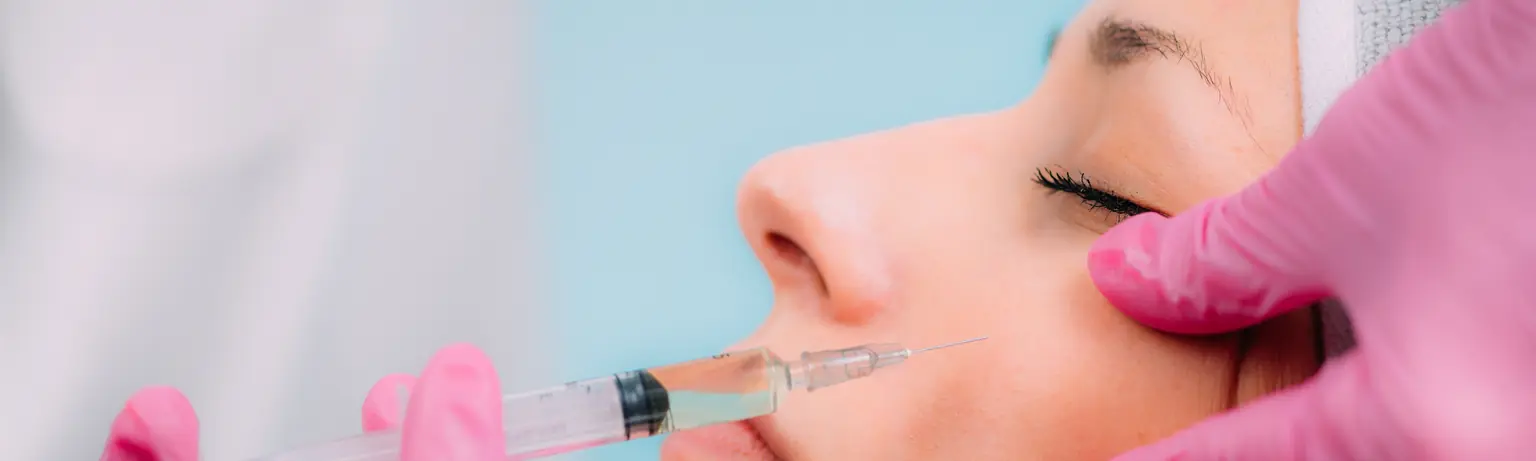
Facial fat transfer is usually an outpatient procedure, under local anesthesia with sedation or general anesthesia, and typically takes one to two hours on its own, longer when combined with a facelift. It has three stages: harvest, purify, and place.
01
Dr. Sayed marks the areas of volume loss and the donor site, then anesthesia is given. It is usually an outpatient procedure.
02
Fat is removed from a donor area, often the abdomen or thighs, with gentle liposuction through tiny incisions, in a way that protects the fat cells.
03
The harvested fat is purified to concentrate healthy fat cells and remove fluid and debris, which improves how much of the graft survives.
04
The purified fat is injected in small amounts across multiple layers of the face, through tiny entry points, building volume gradually and evenly.
05
Dr. Sayed shapes the cheeks, temples, and other areas and checks symmetry, placing a little extra to account for the fat that will not survive.
06
Tiny entry points need no stitches or only a small one. You go home the same day with aftercare for both the face and the donor area.
Facial fat transfer is generally safe, but every procedure carries risk. Specific risks include swelling, bruising, lumps or irregular texture, asymmetry, partial loss of the graft requiring a touch-up, and, rarely, fat cysts or, very rarely, a vascular complication. Serious problems are uncommon.
Dr. Sayed lowers risk with gentle harvesting, careful purification, small-aliquot placement, and clear aftercare. He reviews your full history at consultation so the plan fits your health.
Fat transfer is deferred or declined when the main problem is loose skin rather than lost volume, when there is too little donor fat, when a health issue raises risk, or when expectations cannot be met. Smokers heal less well and the graft survives less.
If filler or a lift is the better tool, or if your face does not need added volume, Dr. Sayed will say so.
Related and alternative options
Restoring a youthful face often means volume and lift together. Fat transfer, filler, and a facelift each play a role, and the best plan may combine them.
What gives the best result depends on how much of the change is lost volume versus loose skin. These are the options Dr. Sayed weighs with you.
See facial plastic surgery options
A quick, temporary way to add volume.
Good for small touch-ups or trying volume first.
No surgery or real downtime.
Lifts and tightens loose skin.
Pairs with fat transfer for volume.
The right tool when laxity is the issue.
Lasers and peels improve skin surface and tone.
Complements the volume fat transfer adds.
Does not change deeper volume.
Fat vs filler: fat transfer uses your own tissue for a lasting result; filler is faster and adjustable but temporary.
With a facelift: a lift tightens skin while fat restores the volume a lift cannot, for a more complete, natural result.
Under-eye hollows: fat or filler can soften tear-trough hollows, and the exam decides which fits your anatomy.
Skin quality: resurfacing improves the surface, while fat improves the underlying fullness.
Staging: because some fat does not survive, a touch-up is sometimes planned to reach the final volume.
Before and after
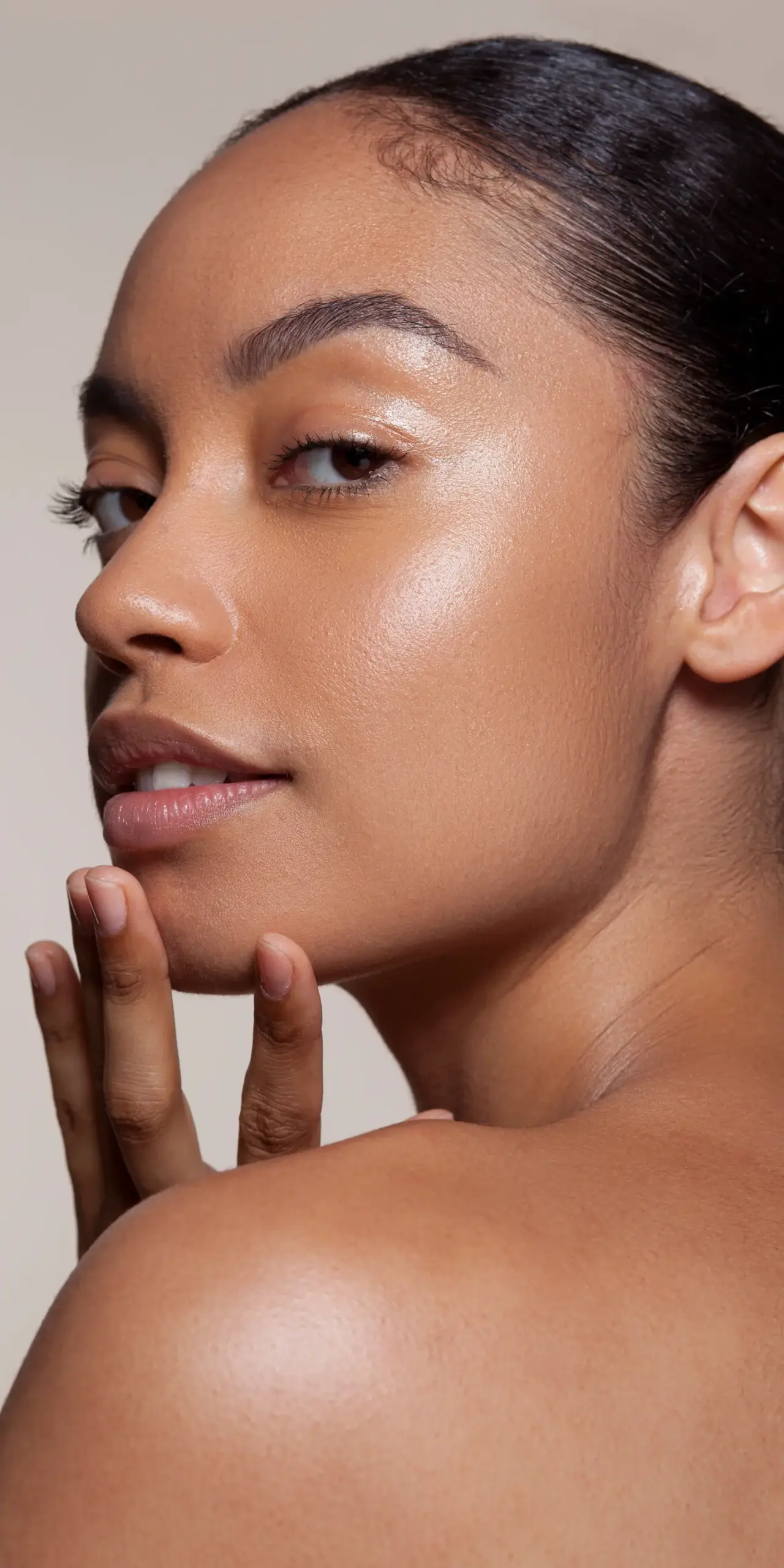
Photographs show how fat transfer restores soft, youthful volume to the cheeks, temples, and under-eyes while keeping the face looking natural. Results vary from person to person; these are examples, not a promise of a specific outcome. Full galleries are shared in consultation.
Gallery 01
Flattened cheeks restored for a softer, lifted look.
Gallery 02
Tear-trough hollows softened for a more rested look.
Gallery 04
Fat transfer combined with a lift for a full rejuvenation.
Photographs are examples of real outcomes and are not a guarantee. Individual results depend on anatomy, healing, and the specific plan. All photos are shared with patient consent.
Cost and financing
In San Diego, facial fat transfer commonly runs about $5,000 to $9,000 on its own, and more when combined with a facelift or when several areas are treated. The quote covers the surgeon, anesthesia, and facility.
Facial fat transfer pricing depends on how many areas are treated, whether it is a stand-alone procedure or combined with a facelift, and the anesthesia used. The quote covers the surgeon's fee, anesthesia, and the facility. Because it is cosmetic, it is not covered by insurance.
Number of areas: treating cheeks, temples, and under-eyes together costs more than a single area.
Stand-alone or combined: adding fat transfer to a facelift shares one recovery and is often efficient.
Anesthesia: local with sedation usually costs less than general anesthesia.
Donor harvest: harvesting and purifying the fat is part of the procedure and the cost.
Surgeon's experience: a double board-certified surgeon reflects training and careful technique for graft survival.
Ask about fat transfer financing
Recovery
Most people are presentable within one to two weeks. Swelling is often more than expected at first, because some extra fat is placed, then it settles as the graft takes over the following months.
Days 1 to 3
Swelling and bruising at the face and the donor area, with mild soreness. Rest with the head elevated and use cold compresses as directed.
Days 4 to 7
Bruising starts to fade. Many people return to desk work toward the end of the first week; the face still looks full.
Weeks 2 to 3
Most swelling settles and you look more like yourself. The donor area continues to recover.
Weeks 4 to 6
Return to exercise as cleared. The transferred volume begins to settle into its lasting amount.
Months 2 to 6
The graft stabilizes. What remains at a few months is the lasting result; a touch-up, if planned, is considered now.
Head elevated: sleep propped up for the first week to reduce facial swelling.
Protect the graft: avoid heavy pressure or massage on the treated areas early, so the fat can establish.
No smoking: smoking reduces how much fat survives; avoid it before and after.
Stay hydrated and nourished: good nutrition supports graft survival and healing.
Care for the donor area: follow the instructions for the liposuction site, including any compression garment.
Follow up: keep your check visits so the result and any touch-up are planned well.
Ask about fat transfer recovery
Your surgeon
Restored, not overfilled. Tim Sayed MD places your own fat gently and in the right planes, so the face looks rested and natural rather than puffy.
Tim Sayed MD, MBA, FACS is a double board-certified plastic surgeon, certified by both the American Board of Plastic Surgery and the American Board of Surgery. He trained at UCSF and at Harvard's Massachusetts General Hospital, and earned an executive MBA from Northwestern's Kellogg School of Management.
Dr. Sayed is a double board-certified plastic surgeon with more than 20 years of experience. His approach to facial fat transfer is gentle and artistic: he harvests and purifies the fat carefully to improve survival, places it in small amounts across the right planes, and assesses volume and skin laxity together so the result restores a natural, rested face. He often combines fat transfer with a facelift, and will tell you honestly when filler, a lift, or another option fits you better.
American Board of Plastic Surgery
Board certified and recertified
American Board of Surgery
Board certified and recertified
UCSF School of Medicine
MD and plastic surgery residency
Harvard, Mass General
General surgery training
Kellogg School of Management
Executive MBA, Northwestern
Alpha Omega Alpha
National medical honor society
Serving Southern California
Dr. Sayed sees facial fat transfer patients at two Southern California offices: San Diego, at 4510 Executive Drive, Suite 210, near UTC and La Jolla; and Newport Beach, at 3991 MacArthur Boulevard, Suite 320, in the Airport Area near Fashion Island. Patients travel from across San Diego and Orange County for his natural approach to facial volume.
Southern California makes fat transfer recovery easier. In the first weeks, sunglasses, a hat, and gentle walks along the coast, in mild and dry weather, keep you comfortable while swelling settles.
Tim Sayed MD, San Diego & Newport Beach
Offices
San Diego: 4510 Executive Drive, Suite 210, San Diego, CA 92121. Newport Beach: 3991 MacArthur Boulevard, Suite 320, Newport Beach, CA 92660.
Phone
(858) 247-2933
San Diego area
San Diego, La Jolla, UTC, Del Mar, Carmel Valley, Encinitas, Rancho Santa Fe
Orange County area
Newport Beach, Corona del Mar, Costa Mesa, Irvine, Laguna Beach, Fashion Island

If your face looks tired or deflated, a consultation with Tim Sayed MD is the place to start. He will assess where you have lost volume, explain fat transfer, filler, and lifting options honestly, and tell you which, or which combination, fits you best.
FAQ
In San Diego, facial fat transfer commonly runs about $5,000 to $9,000 on its own, and more when several areas are treated or it is combined with a facelift. The quote covers the surgeon, anesthesia, and facility. Because it is cosmetic, it is not covered by insurance.
The fat that survives the first few months becomes a lasting, often permanent, part of your face. Not all of the transferred fat survives, which is why a little extra is placed and a touch-up is sometimes planned. Once established, the result ages naturally with you.
Facial fat transfer, or fat grafting, moves your own fat from one area, such as the abdomen, to the face to restore volume lost with age or weight change. The fat is harvested with gentle liposuction, purified, and injected into areas like the cheeks, temples, and under-eyes.
They do different jobs. Filler is a quick, temporary injection with no downtime, good for small touch-ups. Fat transfer is a minor surgery that uses your own tissue for a longer-lasting result, better for larger or permanent volume restoration, often with a lift. The exam helps decide.
A portion of the transferred fat establishes a blood supply and stays permanently; the rest is absorbed over the first few months. Gentle harvesting and careful placement improve survival, and extra fat is placed to account for the loss. A touch-up is sometimes planned.
Usually the abdomen, flanks, or thighs, wherever there is a suitable amount, removed with gentle liposuction through tiny incisions. Many patients like that the donor area is slimmed a little in the process.
Commonly the cheeks, temples, under-eye hollows and tear troughs, nasolabial folds, lips, and the jawline. It restores a soft, youthful fullness where the face has deflated.
Most people are presentable within one to two weeks. Swelling and bruising affect both the face and the donor area and settle over that time; the face can look full at first, then settles as the graft stabilizes over the following months.
The fat that survives the first few months is long-lasting and generally considered permanent, though your face continues to age naturally. Major weight changes can affect transferred fat, since it behaves like the rest of your body fat.
Not when the problem is loose skin. Fat transfer restores lost volume but does not lift or remove skin. For sagging, a facelift or neck lift is the right tool, often with fat transfer added to restore volume for a natural result.
It can. Fat or filler can soften tear-trough hollows and refresh a tired under-eye. The under-eye is a delicate area, so the exam decides whether fat, filler, or a different approach fits your anatomy best.
Risks include swelling, bruising, lumps or irregular texture, asymmetry, partial loss of the graft requiring a touch-up, and, rarely, fat cysts or a vascular complication. Serious problems are uncommon. Gentle technique and careful placement keep risks low.
Yes, and it often is. A facelift tightens loose skin while fat transfer restores the volume a lift cannot, so combining them in one procedure gives a fuller, more natural rejuvenation with a single recovery.
Good candidates are adults with facial volume loss who are in good health, have enough donor fat, do not smoke, and have realistic goals. A consultation and exam confirm whether fat transfer, filler, a lift, or a combination fits you.
Patient Reviews