(858) 247-2933
Book
Book a consultation
Breast Surgery, Southern California
Breast augmentation in Southern California with Tim Sayed MD, a double board-certified plastic surgeon with more than 20 years in practice. From the San Diego home office in La Jolla to the Newport Beach office in Orange County, every augmentation is planned in person, performed by the same surgeon, and sized to your frame, so the result reads as you, only fuller. Saline, silicone, and gummy bear implants, and fat transfer, are all on the table, and the right choice is the one you make together at a one-on-one consultation.
20+
Years in practice
Double
Board certifications
2
Southern California offices
4.6
Google rating
At a glance
What it is
Outpatient surgery that adds saline or silicone implants, or your own transferred fat, to build breast volume, restore fullness, and improve shape and symmetry.
Who it suits
Healthy adults at a stable weight, non-smoking, with realistic goals. The FDA clears saline implants from age 18 and silicone from age 22.
Southern California cost
Commonly about $8,000 to $12,000 and up all in, covering the surgeon, implants, anesthesia, and an accredited facility. Financing is available.
Procedure time
About one to one and a half hours, outpatient, with same-day discharge under general anesthesia.
Recovery
Desk work in about a week, full exercise at four to six weeks, and settled shape by three to six months.
Your surgeon
Tim Sayed MD, MBA, FACS, double board-certified, with offices in San Diego (La Jolla) and Newport Beach.
Implant type, size, incision, and placement are chosen with you in a one-on-one consultation, never pulled from a menu. That is how an augmentation ends up looking like it belongs on your body.
The procedure
Breast augmentation, also called augmentation mammoplasty, uses an implant or, in some cases, your own transferred fat to increase breast size and improve shape and symmetry. It remains one of the most requested cosmetic surgeries in the country, and for most Southern California patients it is a same-day outpatient procedure that takes about an hour to an hour and a half.
Patients come in for different reasons. Some have always had a smaller frame and want more proportion. Many have lost upper-breast fullness after pregnancy, nursing, or a change in weight and want it back. Others simply want the two sides to match. The aim is balance that looks natural in clothes and out, and that holds up as the years pass.
One distinction matters before anything else. Implants add volume; they do not raise breasts that have dropped on the chest wall. If position is part of the concern, a breast lift, or a breast lift with implants, is usually the right plan, and Dr. Sayed will say so plainly rather than overpromise what an implant alone can do.
Candidacy
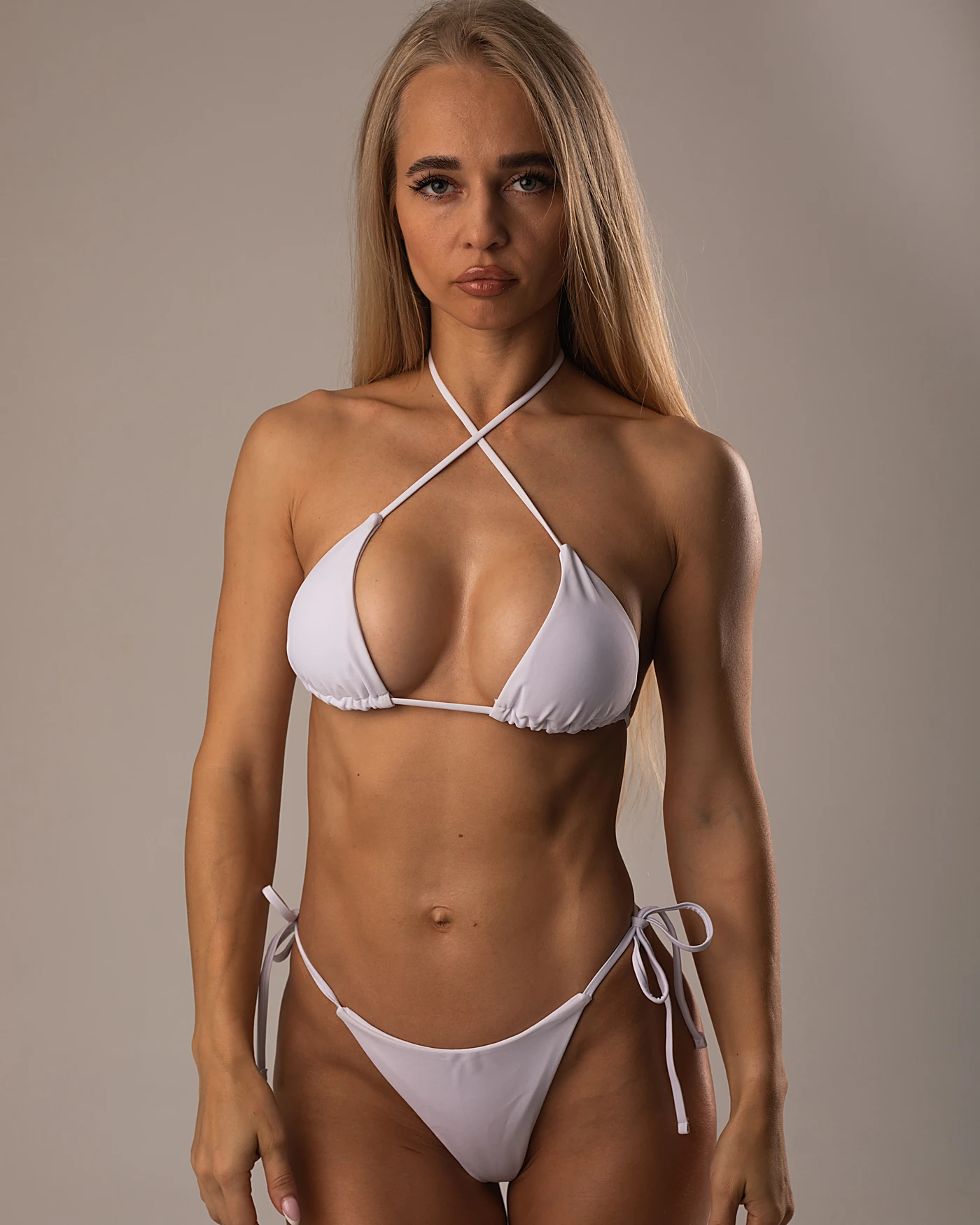
You are likely a good candidate for breast augmentation if you are a healthy adult at a weight you can hold, you do not use nicotine, and you want more volume, better balance, or restored fullness with realistic expectations. The FDA clears saline implants from age 18 and silicone from age 22. The rest is decided in a consultation, where your tissue, your goals, and your health history shape the plan.
want more fullness on a naturally smaller frame, or lost volume after pregnancy, breastfeeding, or weight change
notice a clear size or shape difference between your breasts
are in good overall health and at a stable weight
do not use nicotine, or can stop it for several weeks on either side of surgery
have a specific result in mind and understand the recovery that comes with it
are pregnant or breastfeeding now (most surgeons ask for several months after weaning)
are still in the middle of significant weight loss, since a stable weight gives a more predictable result
rely on nicotine and are not ready to stop, because it slows healing
have noticeable sagging, which usually calls for a lift rather than implants alone
are hoping surgery will change something outside what an implant can do, which is worth talking through first
An implant adds fullness. A lift raises position. Knowing which one you actually need is the first decision, and it is one a good surgeon makes with you, not for you.
Your options
There is no single best implant, only the one that suits your tissue, your frame, and the feel and shape you are after. The main types each trade off differently, and you choose together at your consultation. Your own fat is a fourth, more subtle option.
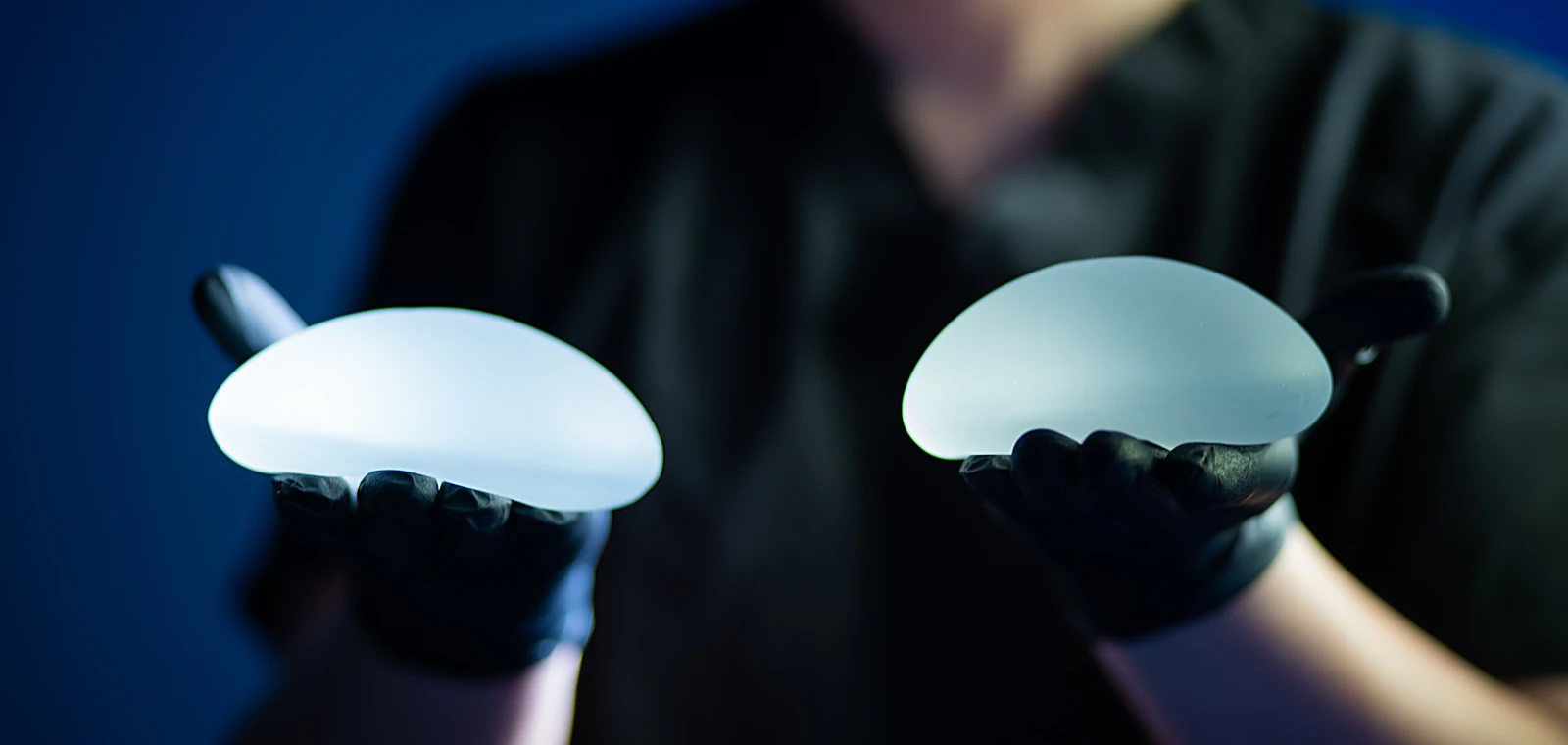
A silicone shell filled with sterile saline after it is placed, FDA-cleared from age 18. Filling after insertion allows a smaller incision and lets your surgeon fine-tune volume for symmetry during surgery. If one ever deflates, the body absorbs the saline harmlessly. The trade-off is a slightly firmer feel and more visible rippling in thin tissue.
Pre-filled with a cohesive gel that moves and feels closer to natural breast tissue, which is why most patients choose them. FDA-cleared from age 22. Today’s cohesive gel holds its form rather than spreading if the shell is damaged, and the FDA advises periodic imaging over the years, which Dr. Sayed walks you through.
A highly cohesive, form-stable gel that keeps its shape even when cut, like the candy it is nicknamed for. These resist rippling well and can create a tapered, teardrop profile. They run a little firmer than standard silicone and need a slightly longer incision.
Fill is only part of the choice. Implants also come round or teardrop (anatomic) and in several profiles that change how far they project. For a smaller, more natural increase, fat transfer uses your own fat instead of an implant. At your Southern California consultation, sizers and 3D imaging let you preview these options on your own frame before you commit.
Saline, silicone, and gummy bear each suit a different mix of tissue, goals, and feel. The right one is the one you choose with your surgeon after seeing it on your own frame.
How it works
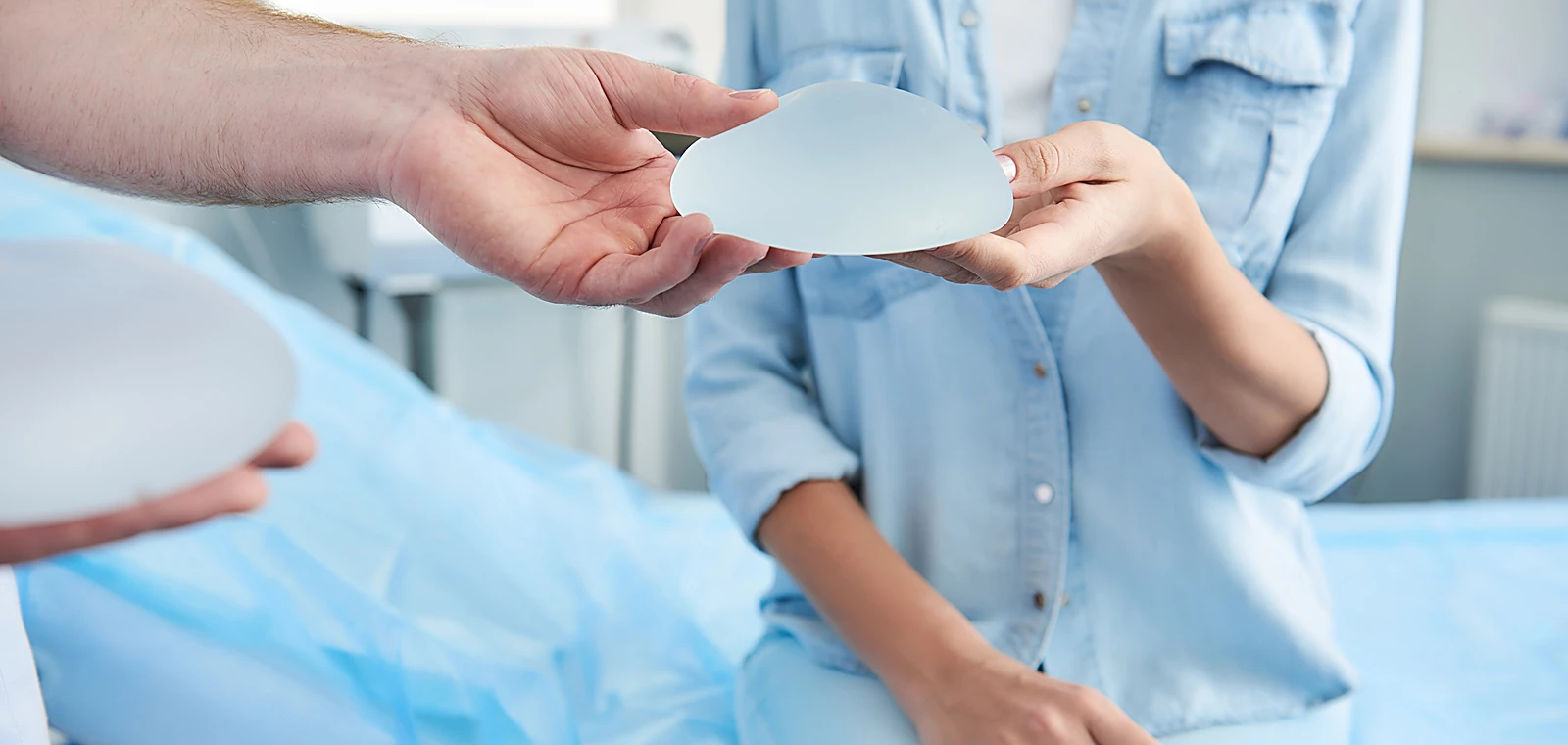
Breast augmentation is done under general anesthesia as outpatient surgery, usually in about an hour to an hour and a half, and you go home the same day. Dr. Sayed makes a small, well-placed incision, forms a precise pocket, positions the implant, checks both sides for symmetry, and closes with fine sutures. Three choices shape the result: where the incision sits, where the implant sits, and the techniques used to keep the operation clean and exact.
Inframammary. In the fold beneath the breast, the most common and versatile approach, with the scar tucked into the natural crease.
Periareolar. Along the lower border of the areola, where the change in skin tone helps hide the scar.
Transaxillary. Through the armpit, so nothing is on the breast itself, though it can limit future adjustments.
Subglandular. Above the muscle, beneath the breast tissue, which can shorten early recovery for patients with enough natural coverage.
Subfascial. Beneath the thin fascia over the muscle, a technique Dr. Sayed uses often for a natural slope without muscle distortion. Read more about subfascial breast augmentation.
Dual plane. Partly under the chest muscle, which smooths the upper breast and reduces visible rippling in slimmer patients.
Keller funnel. A no-touch sleeve that delivers the implant through a smaller incision.
Antibiotic irrigation. Rinsing the pocket to lower the risk of infection.
Careful hemostasis. Controlling bleeding thoroughly before closing.
These steps are standard in a well-run operating room and are part of how Dr. Sayed lowers the odds of complications such as capsular contracture. If you are weighing implants against a lift, compare a breast lift with implants, or browse every option in breast surgery at Tim Sayed MD. For a city-specific visit, read about breast augmentation in La Jolla or breast augmentation in Newport Beach.
Cost
Breast augmentation in Southern California commonly runs about $8,000 to $12,000 and up, all in, for a first-time augmentation. That figure typically includes the surgeon’s fee, the implants, anesthesia, and an accredited surgical facility. Because each plan is built around your implant choice and anatomy, the number that applies to you comes from a consultation and a written quote.
Plan on roughly $8,000 to $12,000 and up for a primary breast augmentation in Southern California, all in. The written quote after your consultation is the only figure that fits you exactly.
Implant type. Silicone and gummy bear implants cost more than saline.
Scope of surgery. Adding a lift, correcting asymmetry, or folding augmentation into a mommy makeover adds time and cost.
Facility and anesthesia. An accredited surgical facility with a board-certified anesthesiologist is worth protecting over a cheaper quote that trims them.
Surgeon experience. A double board-certified surgeon’s fee reflects training and track record on a surgery you want done once and done right.
Breast augmentation is elective, so health insurance generally does not cover it. Many patients spread the cost into monthly payments through financing. You can review current terms on the financing options page and the plastic surgery pricing page, then get an exact figure at your visit.
Recovery
Most patients walk the same day, return to desk work in about a week, and are cleared for full exercise around four to six weeks. Final shape settles over three to six months as swelling fades and the implants drop into position. Dr. Sayed sends you home with a written plan matched to your procedure, so there is no guesswork.
Surgery day
Outpatient, home the same day. Expect tightness and soreness, managed by prescribed medication. Arrange a ride and help for the first day.
Days 2 to 7
Swelling and bruising peak, then begin to ease. Many patients are back at a desk by the end of the week.
Weeks 2 to 4
Daily routines resume. Hold off on strenuous workouts, lifting, and chest exercises.
Weeks 4 to 6
Full activity, including upper-body training, once Dr. Sayed confirms healing.
Months 3 to 6
Swelling resolves and the implants settle. This is your result.
Sleeping. On your back with the upper body slightly raised for the first few weeks; avoid stomach and side sleeping until cleared.
Driving. Usually once you are off prescription pain medication and can turn the wheel comfortably, often within a week.
Exercise. Easy walking right away for circulation; no running, lifting, or chest work until cleared, typically four to six weeks.
Swimming and the beach. Wait until incisions are fully closed and Dr. Sayed approves, generally several weeks, to avoid infection.
Breastfeeding. Many women can breastfeed after augmentation, though no surgeon can guarantee it; mention future plans so incision and placement can account for them.
Your surgeon
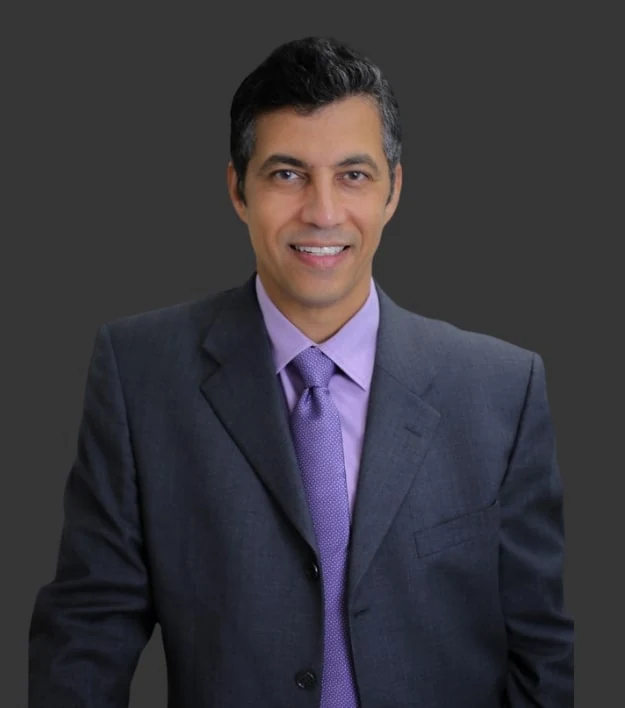
Breast augmentation lives or dies on surgical judgment, so the surgeon you choose is the whole decision. Tim Sayed MD is double board-certified, by the American Board of Plastic Surgery and the American Board of Surgery, a combination relatively few plastic surgeons hold, and he has recertified in both. He trained at UCSF School of Medicine, completed general surgery at Massachusetts General Hospital and Harvard, and returned to UCSF for his plastic surgery fellowship. He has practiced for more than 20 years and sees Southern California patients at his offices in San Diego (La Jolla) and Newport Beach, where you meet him directly rather than a rotating team.
That second certification is more than a line on a wall. It reflects full training in general surgery before plastic surgery, which shows up in how carefully pockets are formed, how bleeding is controlled, and how honestly he tells you when a lift, not an implant, is the better answer. He also holds an executive MBA from the Kellogg School of Management and was elected to the Alpha Omega Alpha medical honor society. Review his full training and credentials, and browse real patient results, before you decide.
American Board of Plastic Surgery
American Board of Surgery
Fellow, American College of Surgeons
20+ years, Southern California
The area
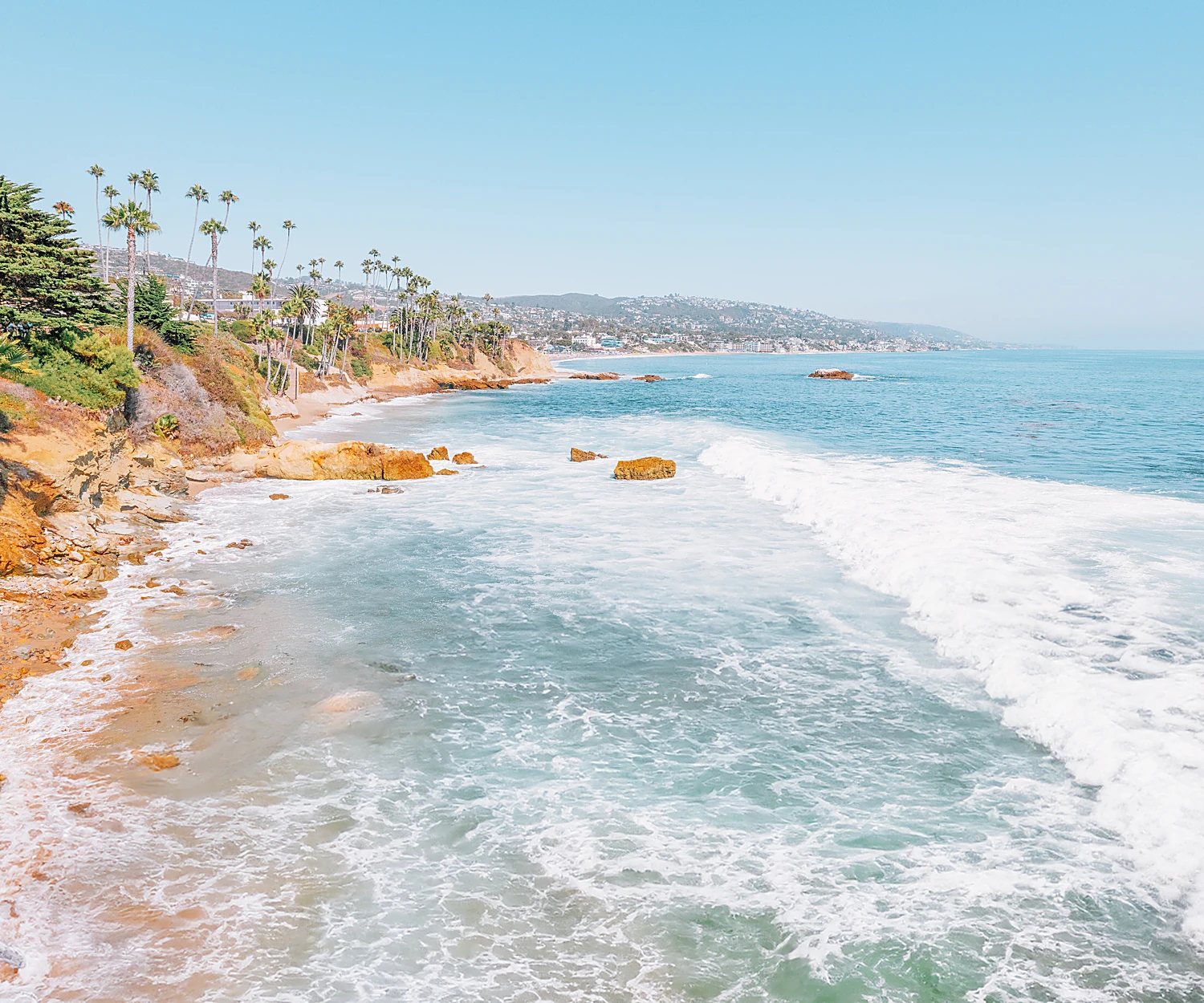
Tim Sayed MD serves patients across Southern California from two offices: the San Diego practice in La Jolla, near the University City and UTC area, and the Newport Beach office in Orange County off MacArthur Boulevard. Patients travel in from across the region, from San Diego County to Orange County, the greater Los Angeles area, and the Inland Empire, for a single surgeon who handles the consultation, the surgery, and the follow-up. For a visit tailored to your city, see breast augmentation in La Jolla or breast augmentation in Newport Beach.
Southern California life is active and lived outdoors, and that shapes the planning. Patients who hike the coast, run, swim, or spend weekends at the beach tend to favor implant sizes and placements that stay comfortable in motion, which is one reason dual plane and subfascial techniques come up so often here. The near-constant sun also makes protecting fresh incisions from direct light a real part of healing a clean, faint scar.
San Diego (La Jolla): 4510 Executive Drive, Suite 210, San Diego, CA 92121
Newport Beach: 3991 MacArthur Boulevard, Suite 320, Newport Beach, CA 92660
Get directions to the San Diego office on Google Maps
Communities we serve
La Jolla
San Diego
Newport Beach
Orange County
Carmel Valley
San Diego
Irvine
Orange County
Del Mar
San Diego
Huntington Beach
Orange County
Sit down with double board-certified plastic surgeon Tim Sayed MD and map out an augmentation sized to your body and your life in Southern California. You will leave with a clear recommendation, a straight answer on candidacy, and a written quote.
Questions
A first-time breast augmentation in Southern California commonly costs about $8,000 to $12,000 and up, all in, including the surgeon, implants, anesthesia, and facility. Silicone and gummy bear implants cost more than saline, and adding a lift or another procedure raises the total. It is elective, so insurance generally does not cover it, and financing is available. Your exact price comes from a consultation and written quote.
Neither is better for everyone. Silicone gel feels closer to natural tissue and ripples less, which is why most patients choose it. Saline can be placed through a smaller incision, allows volume adjustment during surgery, and is absorbed harmlessly if it leaks. Your tissue thickness, goals, and age help decide, and you compare both at your consultation.
Dual plane augmentation places the implant partly under the chest muscle and partly under the breast tissue. The muscle covers the upper implant for a smooth slope and less visible rippling, while the lower portion sits under the gland so the breast still moves naturally. It is a common choice for slimmer patients with thin tissue.
A breast augmentation by itself usually takes about an hour to an hour and a half under general anesthesia, and you go home the same day. Pairing it with a lift or another procedure extends the time, often to two or three hours.
Expect to be back at a desk in about a week and cleared for full exercise around four to six weeks. Final shape settles over three to six months. You receive a written recovery plan specific to your surgery.
Many women breastfeed successfully after augmentation, although it cannot be guaranteed for anyone, with or without implants. If you plan to breastfeed in the future, say so at your consultation so the incision and placement can be chosen with that in mind.
Size is chosen with your surgeon using sizers and 3D imaging that show options on your own frame, weighed against your proportions and how active you are. The goal is a result that looks natural on you and stays comfortable, not a cup size on paper.
Implants are not lifetime devices, but they are not on a fixed replacement schedule either, and many last well beyond ten years. Over time you may choose a revision or replacement for a change in size or shape, or for the implant itself. Dr. Sayed explains monitoring and manufacturer warranties, and the FDA advises periodic imaging of silicone implants.
Breast augmentation is a common, well-studied surgery with a strong safety record when performed by a board-certified plastic surgeon in an accredited facility. Like any operation it carries risks, including infection, bleeding, changes in nipple sensation, capsular contracture, and the possibility of future revision. Dr. Sayed reviews these with you in detail so your decision is fully informed.
Yes. Because breast augmentation is elective and generally not covered by insurance, many patients use financing to spread the cost into monthly payments. You can review current options on the financing page and get exact terms at your consultation.
For a smaller, more natural increase, fat transfer moves your own fat, harvested by liposuction, to the breasts instead of using an implant. It suits patients who want a subtle change and have enough donor fat. The gain is usually modest, and Dr. Sayed will tell you at your consultation whether implants or fat transfer fits your goals.
Patient Reviews