(858) 247-2933
Book
Book a consultation
Brow Lift, Southern California
A brow lift raises a heavy, low brow, smooths deep forehead lines, and opens tired, hooded upper eyes. Tim Sayed MD, a double board-certified plastic surgeon, lifts the brow to a natural, rested position, most often through small hidden incisions, and frequently pairs it with eyelid surgery. He sees brow lift patients in San Diego and Newport Beach.
Brow
raised to rest, not surprise
2
Board certifications
20+
Years in practice
4.6
Google rating
At a glance
A good brow lift does not look surprised or raise the brow too high. It simply undoes the heaviness that makes you look tired or angry when you are not.
What it treats
A heavy or low brow, deep horizontal forehead lines, frown lines between the brows, and hooded, tired-looking upper eyes.
Who it is for
Adults whose brow has dropped, often making them look tired or stern, with realistic goals. Frequently combined with upper eyelid surgery.
Technique
Most often an endoscopic brow lift through small incisions in the hairline; sometimes a temporal or hairline lift, chosen to fit your forehead and hairline.
Anesthesia and time
General anesthesia or deep sedation, about 1 to 2 hours, longer if combined with eyelid surgery or a facelift.
Downtime
About one week before being social, with swelling and bruising settling over 2 to 3 weeks.
How long it lasts
A brow lift does not stop aging, but most patients enjoy the result for many years, often a decade or more.
Why a brow lift
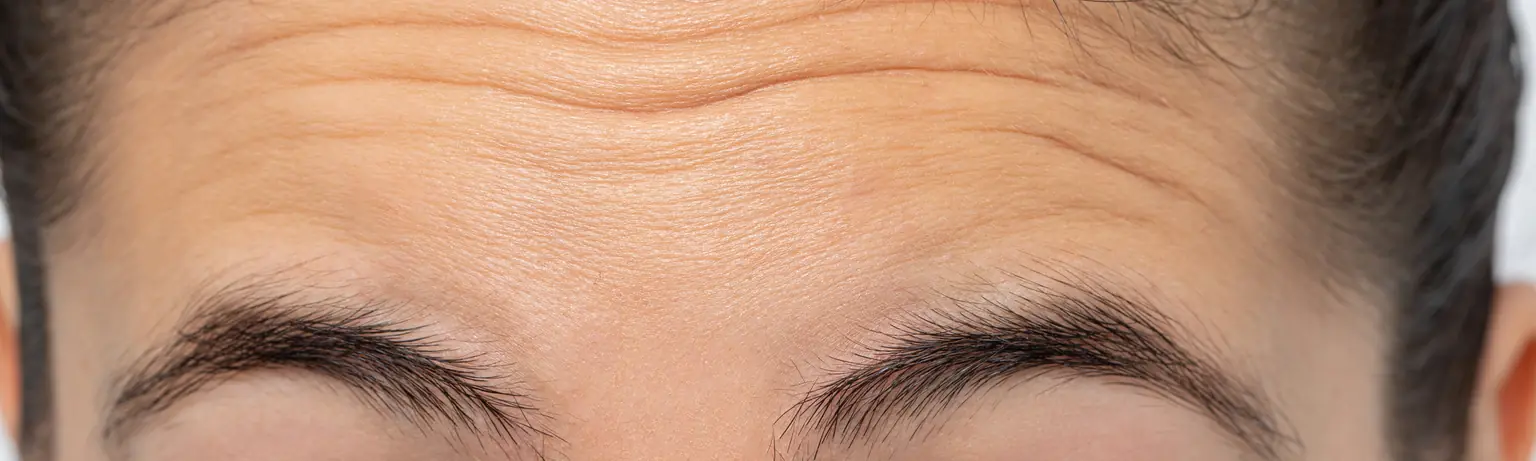
As the brow descends, it crowds the upper eyes and settles into a tired, stern, or heavy look, even when you feel fine. Injectables can soften lines, but once the brow itself has dropped, only lifting it restores an open, rested upper face.
Raising the brow lifts the hooded weight off the upper lids and opens the eyes.
See who is a candidate
Repositioning the brow and releasing the muscles smooths deep horizontal lines and frown lines.
A low brow reads as tired or angry; lifting it to a natural height restores a rested expression.
Meet Dr. Sayed
Dr. Sayed lifts to a natural position, never too high, so you look refreshed rather than startled.
The brow and upper lids work together, so the two are often combined in one recovery.
A surgical lift holds for many years, far longer than repeated injectable brow lifts.
Book a brow lift consultation
Techniques
The best brow lift is the one that fits your forehead height, hairline, and how much lift you need. Matching the technique to your anatomy matters more than the name.
There is more than one way to lift a brow. Here is how the main options compare.
Most patients do well with an endoscopic brow lift, often combined with upper eyelid surgery. Dr. Sayed examines your brow height, forehead, and hairline and recommends the approach that fits, nothing more than you need.
Brow or eyelids
Patients often think they need eyelid surgery when the real problem is a heavy brow pressing down on the lids. Lifting the brow first can open the eyes; sometimes both are needed.
Dr. Sayed sorts this out at the exam. If the brow is the culprit, a brow lift alone may be enough. If the upper lids have extra skin too, he combines the lift with a blepharoplasty.
Getting this right matters. Taking skin off the lids when the brow is the real problem can pull the brow down further. The exam decides the right order.
The procedure
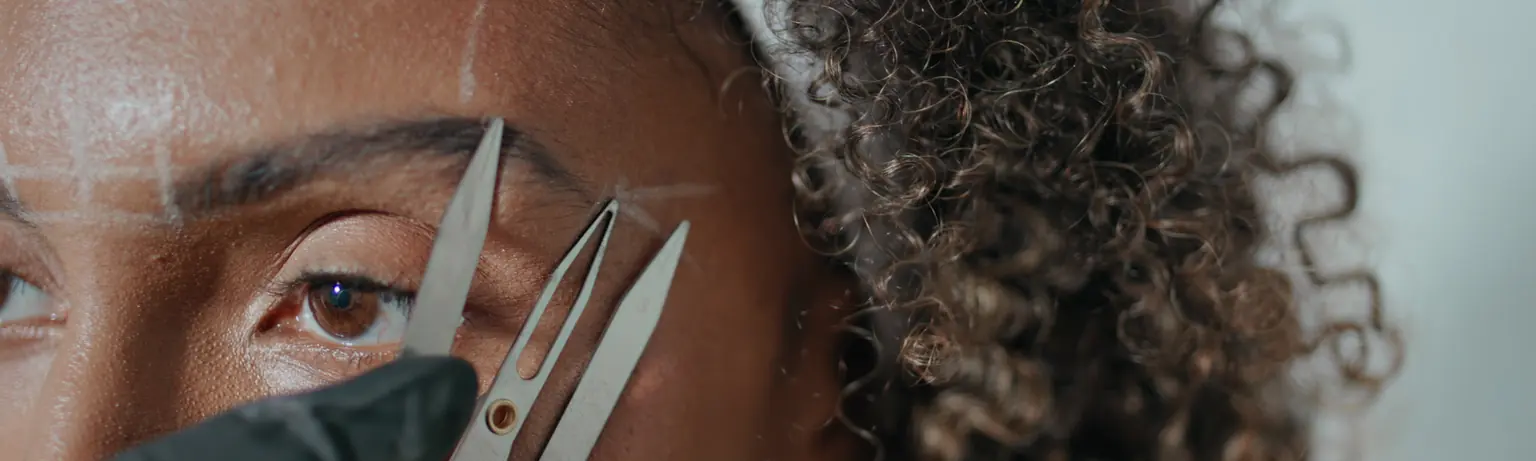
Every forehead is different, but most brow lifts follow the same arc from planning to a hidden, tension-free close.
01
Dr. Sayed measures your brow height, forehead length, and hairline, and decides on the technique and whether to add eyelid surgery.
02
For an endoscopic lift, a few short incisions are hidden behind the hairline; other techniques use a small temple or hairline incision.
03
Using a camera for guidance, he releases the brow from its attachments and relaxes the muscles that pull it down and cause frown lines.
04
The brow is lifted to a natural height and secured in its new position so the result holds.
05
If eyelid surgery or a facelift is combined, it is done at the same time for a balanced, single recovery.
06
Fine sutures close the hidden incisions, a light dressing supports the result, and most patients go home the same day.
A brow lift is surgery under anesthesia and carries the usual risks: bruising, swelling, temporary numbness or itching of the scalp, bleeding, infection, and healing problems, which are higher in smokers. Rarely, temporary changes in forehead sensation or brow movement can occur.
Most are uncommon and settle with time, and your consultation covers each one along with how Dr. Sayed lowers the risk.
If your heaviness is early and mild, Botox can give a small lift and may be worth trying first. If the real issue is extra eyelid skin, blepharoplasty alone may be the answer.
And if the whole upper face has aged, Dr. Sayed may recommend combining the brow lift with eyelid surgery. The goal is the right operation, not the most.
Your options
You do not have to decide the technique before you walk in. Dr. Sayed recommends the approach that fits your forehead and gives a natural, lasting lift.
A brow lift is not one operation. The right choice depends on your forehead height, hairline, and how much lift you need. These are the main paths.
See a brow lift with eyelid surgery
The most common approach: a camera-guided lift through small incisions hidden behind the hairline.
Fine scars and a quicker recovery than older open techniques.
Best for most patients with a heavy or low brow.
Lifts the outer third of the brow through a small incision at the temple, where the brow most often droops.
Often combined with upper eyelid surgery for an open, rested eye.
Best for outer-brow heaviness with good central height.
Places the incision right at the hairline so a high forehead is not made longer.
The scar is designed for hair to grow through and conceal it.
Best for patients with a high forehead.
Brow height. How far the brow has dropped guides how much to lift and which technique.
Forehead and hairline. A high forehead points toward a hairline lift; a normal one suits an endoscopic lift.
The upper lids. Hooded lids often mean adding eyelid surgery for a balanced result.
Muscles and lines. Deep frown lines may call for releasing the muscles that cause them.
Your health and goals. Good health, not smoking, and realistic goals guide the plan.
Case studies
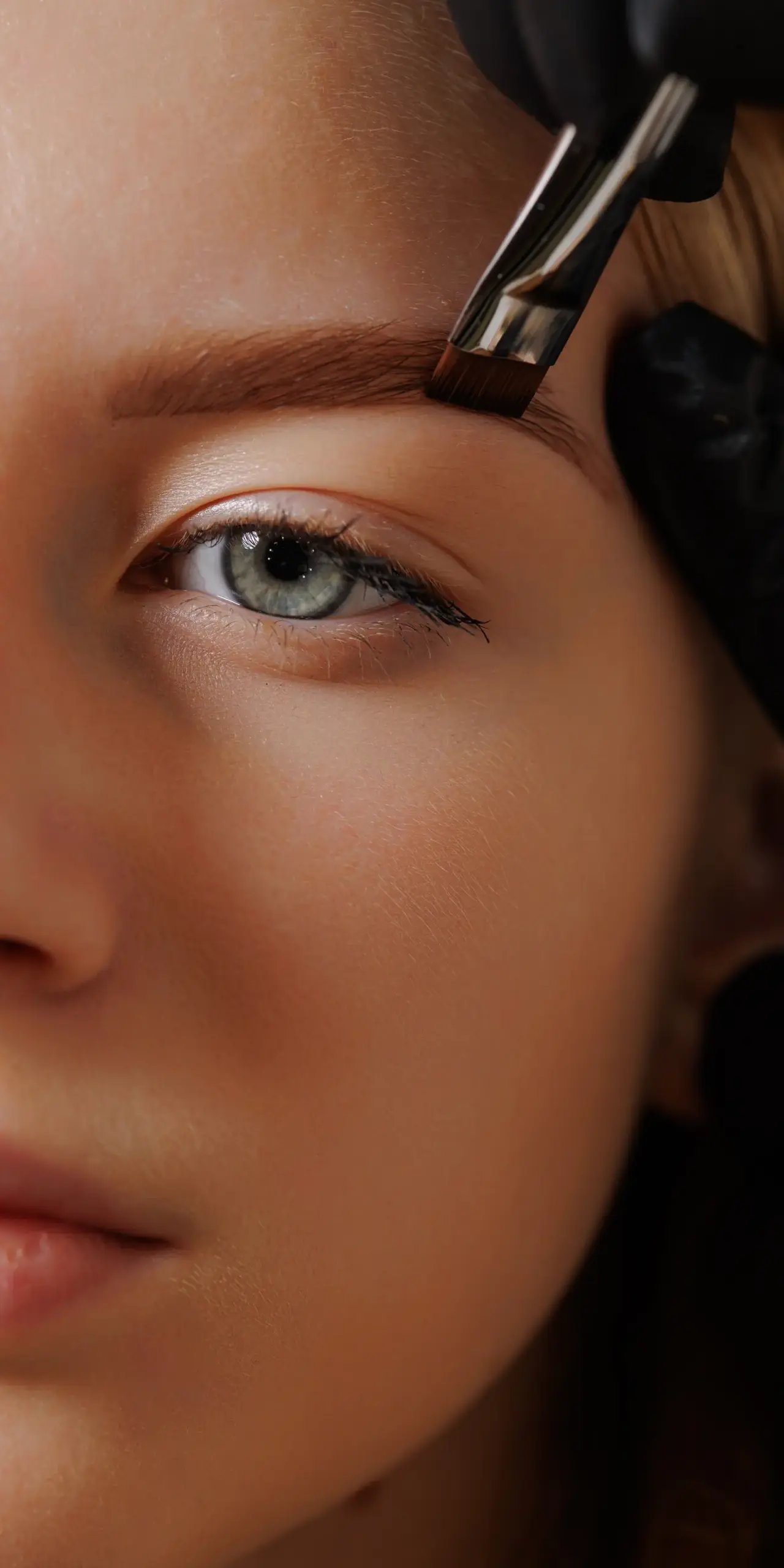
Browse natural, rested results on real patients, shared with consent.
Gallery 01
A heavy brow raised to a natural height through hidden incisions.
Gallery 02
The brow and upper lids refreshed together for open, rested eyes.
Gallery 03
Deep horizontal and frown lines softened by repositioning the brow.
Gallery 04
A conservative lift that keeps a flatter, masculine brow position.
Results vary from patient to patient, and photographs are shared with consent. A consultation is the only way to know what is realistic for you.
Cost
When you compare quotes, ask what is included: the surgeon, anesthesia, the facility, and follow-up. A low number that leaves these out is not really lower.
A brow lift in Southern California commonly runs about $6,000 to $12,000, covering the surgeon, anesthesia, and facility. An endoscopic lift sits in this range; combining it with eyelid surgery or a facelift raises the total. Your exact quote comes after an in-person exam.
The technique. Endoscopic, temporal, and hairline lifts differ in time and cost.
Combining with eyelid surgery. Adds operating time and cost, but saves a second anesthesia and recovery.
Anesthesia and facility. Longer, combined procedures mean more operating-room time.
Surgeon experience. A double board-certified surgeon is priced accordingly, and it shows.
Financing. Monthly payment plans through third-party lenders spread the cost.
Recovery
Most brow lift patients are up and gently moving the day of surgery, presentable in about a week, and back to full activity by around three to four weeks, with swelling settling over a couple of months.
Surgery day
Outpatient, home within a few hours with a light dressing. Expect tightness, mild soreness, and sometimes scalp numbness, controlled with medication.
Days 2 to 7
Bruising and swelling, often around the eyes, peak then ease. Keep your head elevated; sutures or clips usually come out this week.
Week 2
Most people feel presentable and return to desk work, covering any residual bruising with makeup.
Weeks 3 to 4
Light activity resumes, then full exercise once Dr. Sayed clears you. Scalp numbness and itching keep improving.
Months 2 to 3
The last swelling resolves and the final, natural brow position shows.
Sleeping. On your back with your head elevated for the first couple of weeks.
Scars. Hidden behind or at the hairline, they fade and are concealed by hair.
Hair washing. Usually fine within a few days; your team gives you specific timing.
Numbness. Temporary scalp numbness or itching is common and resolves over weeks to months.
Makeup. Can usually cover residual bruising around the eyes by week two.
Will it last. A brow lift does not stop aging, but most patients enjoy the result for many years.
Your surgeon
For Dr. Sayed, a brow lift done right means a natural, rested height, never surprised, with scars hidden in the hairline.
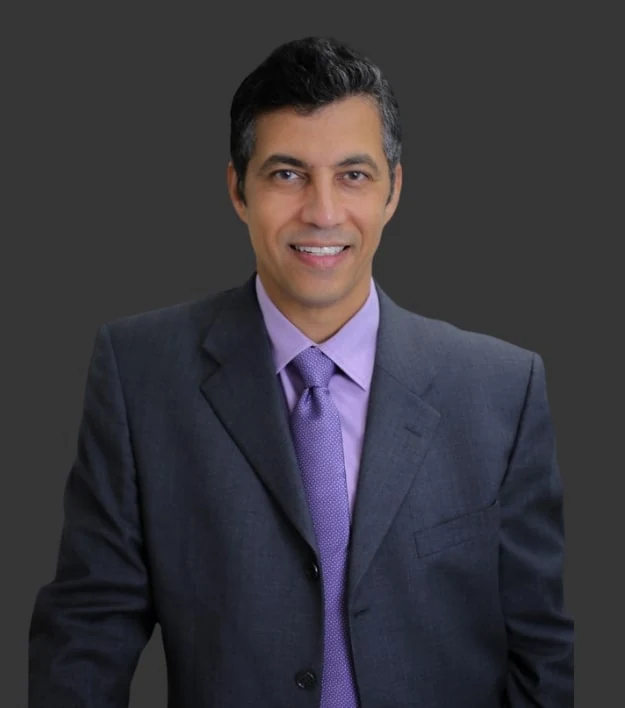
Tim Sayed MD, MBA, FACS is a double board-certified plastic surgeon, certified by both the American Board of Plastic Surgery and the American Board of Surgery. He trained at UCSF and at Harvard's Massachusetts General Hospital, and earned an executive MBA from Northwestern's Kellogg School of Management.
Over more than 20 years in practice, Dr. Sayed has made aesthetic facial and body surgery the center of his work. Patients choose him for the brow because he lifts to a natural position rather than overcorrecting, hides incisions in the hairline, and recommends the least surgery that opens and rests the upper face.
American Board of Plastic Surgery
Board certified and recertified
American Board of Surgery
Board certified and recertified
UCSF School of Medicine
MD and plastic surgery residency
Harvard, Mass General
General surgery training
Kellogg School of Management
Executive MBA, Northwestern
Alpha Omega Alpha
National medical honor society
Serving San Diego and Orange County
Dr. Sayed sees brow lift patients at two Southern California offices. His San Diego office is in University City at 4510 Executive Drive, Suite 210, minutes from UTC, La Jolla, and Del Mar. His Orange County office is in the Newport Beach Airport Area at 3991 MacArthur Boulevard, Suite 320, near Fashion Island.
Southern California makes recovery easier. In the first weeks after a brow lift, gentle daily walks along the region's flat coastal paths, in mild and dry weather, support healing without strain.
Tim Sayed MD, Southern California
Offices
San Diego: 4510 Executive Drive, Suite 210, San Diego, CA 92121. Newport Beach: 3991 MacArthur Boulevard, Suite 320, Newport Beach, CA 92660.
Phone
(858) 247-2933
San Diego area
University City, UTC, La Jolla, La Jolla Shores, Torrey Pines, Del Mar, Carmel Valley, Encinitas
Orange County area
Newport Beach, Corona del Mar, Costa Mesa, Irvine, Laguna Niguel, Laguna Beach

Bring what bothers you about your brow or forehead and the result you are hoping for. Dr. Sayed will examine your brow, eyes, and hairline, explain which approach fits, and lay out the plan honestly, so you can decide with clear information.
Questions
In Southern California a brow lift commonly runs about $6,000 to $12,000, depending on the technique and whether it is combined with eyelid surgery or a facelift. The quote covers the surgeon, anesthesia, and facility. Your exact price follows an in-person exam.
An endoscopic brow lift uses a small camera and a few short incisions hidden behind the hairline to release and raise the brow. It gives finer scars and a quicker recovery than the older open (coronal) technique, and it is what most patients have.
It depends on where the heaviness comes from. A low brow presses on the upper lids and can mimic excess eyelid skin. Dr. Sayed checks your brow height at the exam. If the brow is the problem, a lift fixes it; if the lids also have extra skin, he combines the two.
Natural. The surprised look comes from lifting the brow too high. Dr. Sayed lifts to a rested, natural position and relaxes the muscles that pull the brow down, so you look refreshed rather than startled.
With an endoscopic lift, the incisions are short and hidden behind the hairline. A hairline lift places the scar at the hairline, designed for hair to grow through and conceal it. Scars fade over about a year.
For a small, early lift, Botox or threads can help and may be worth trying first. But once the brow itself has descended, only surgery lifts it meaningfully, and the result lasts years rather than months.
A brow lift does not stop aging, but most patients enjoy the result for many years, often a decade or more. Sun protection and good skin care help it hold.
Most people are presentable in about a week, back to desk work by week two, and cleared for full activity by three to four weeks. Swelling, often around the eyes, settles over a couple of months.
Temporary numbness or itching of the scalp and forehead is common after a brow lift and resolves over weeks to months as the nerves recover.
Most patients describe tightness and mild soreness rather than sharp pain, controlled with medication in the first days. Scalp numbness and itching are more noticeable than pain.
Yes. It is most often combined with upper eyelid surgery, and sometimes with a facelift or fat transfer, so you refresh the upper face in one recovery. Combining is planned around your safety and goals.
Yes, with a conservative approach that keeps a flatter, masculine brow position rather than a high, arched one. See the men's plastic surgery section for male-specific pages.
Not when the technique is chosen for your forehead. An endoscopic lift does not meaningfully raise the hairline, and for a high forehead Dr. Sayed uses a hairline lift that keeps the forehead from getting longer.
He is double board-certified in plastic surgery and general surgery, trained at UCSF and Harvard's Massachusetts General Hospital, with more than 20 years in practice. He lifts to a natural height, hides scars in the hairline, and recommends the least surgery that opens and rests the upper face.
Patient Reviews