
(858) 247-2933
Book
Book a consultation
Eyelid Surgery, Southern California
Blepharoplasty, or eyelid surgery, removes the loose skin and puffy fat that make the eyes look tired, hooded, or aged. Tim Sayed MD, a double board-certified plastic surgeon, refines the upper lids, the lower lids, or both, for a more open and rested look that still looks like you. He sees Southern California patients at his San Diego and Newport Beach offices.
Eyes
OPEN AND RESTED, NOT HOLLOW
2
Board certifications
20+
Years in practice
4.6
Google rating
At a glance
Blepharoplasty removes excess upper eyelid skin and lower eyelid puffiness to make the eyes look more open and rested. It is an outpatient procedure, and most people return to normal activities within one to two weeks.
What it is
Surgery that trims loose upper eyelid skin, repositions or reduces lower eyelid fat, and tightens the lids. It can be functional, cosmetic, or both.
Upper, lower, or both
Upper blepharoplasty opens a hooded, heavy upper lid. Lower blepharoplasty softens under-eye bags and puffiness. Many patients combine the two.
Anesthesia
Usually local anesthesia with light sedation, or general anesthesia. It is an outpatient procedure, so you go home the same day.
Downtime
Bruising and swelling settle over one to two weeks. Most people feel comfortable in public and back at desk work within 7 to 10 days.
Results
A more open, rested upper lid and a smoother lower lid. Upper eyelid results often last a decade or longer; aging continues gradually.
Who it suits
Adults bothered by hooded upper lids, under-eye bags, or a tired look, in good health and with realistic goals. A consultation confirms candidacy.
Why patients choose Tim Sayed MD
Eyelid surgery is delicate work. A millimeter changes how open, rested, or hollow the eyes look, so the judgment behind the plan matters as much as the technique. Tim Sayed MD is double board-certified and focuses on natural, conservative eyelid results.
Dr. Sayed is certified by the American Board of Plastic Surgery and the American Board of Surgery, with more than 20 years in practice.
Read about Tim Sayed MD
Over-resection is the main cause of a hollow or surprised look. Dr. Sayed removes only what is needed and preserves fat where it protects a youthful eye.
He performs upper lids, lower lids, and combined cases, and tailors the technique to your anatomy rather than forcing one approach.
See eyelid surgery results
Heavy upper lids can block the upper field of vision. Where a lid truly obstructs sight, he can document it so you can pursue insurance coverage.
A low brow can mimic heavy lids. Dr. Sayed assesses the brow too, and pairs eyelid surgery with a brow lift or facelift when that gives a more balanced result.
If a brow lift, a non-surgical option, or no surgery is the better answer, he will tell you. Not everyone needs eyelid surgery.
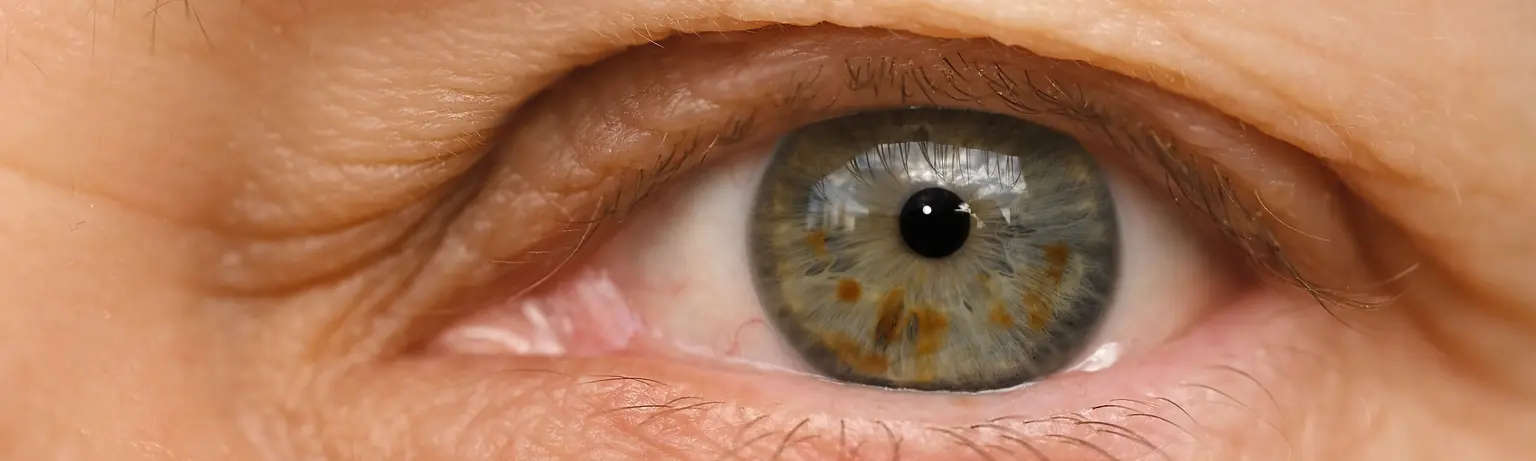
Book an eyelid surgery consultation
Upper vs lower
Upper blepharoplasty treats a hooded, heavy upper lid; lower blepharoplasty treats under-eye bags and puffiness. They solve different problems and are often done together.
People often use eyelid surgery as a single term, but the upper and lower lids age differently and are corrected differently. The table below compares the two. Many patients are candidates for one; some benefit from both in a single procedure.
Which one is right depends on your anatomy and goals. Some patients need only an upper lift; others address the lower lids or combine both. A consultation and exam settle the plan.
See eyelid surgery before and after results
What it treats
Blepharoplasty treats structural changes in the eyelids: loose, redundant upper eyelid skin that folds over the lash line; a heavy, hooded upper lid; and lower eyelid bags caused by fat pushing forward as the supporting tissue weakens. It can refresh a tired, aged look and, when upper lids obstruct sight, improve the upper field of vision.
It is less effective for problems on the skin surface or below the lids. Fine lines, dark circles from pigment, and crepey texture respond better to lasers, peels, or skin care. Under-eye hollows sometimes need filler or fat grafting rather than removal. A sagging, low brow can mimic heavy upper lids, and is corrected with a brow lift, not eyelid surgery.
That distinction is the point of a careful exam. Removing eyelid skin when the real problem is the brow, or removing lower lid fat when the hollow needs volume, leads to a hollow or pulled result. Matching the procedure to the actual cause is what protects a natural look.
Compare eyelid surgery with a brow lift
The procedure
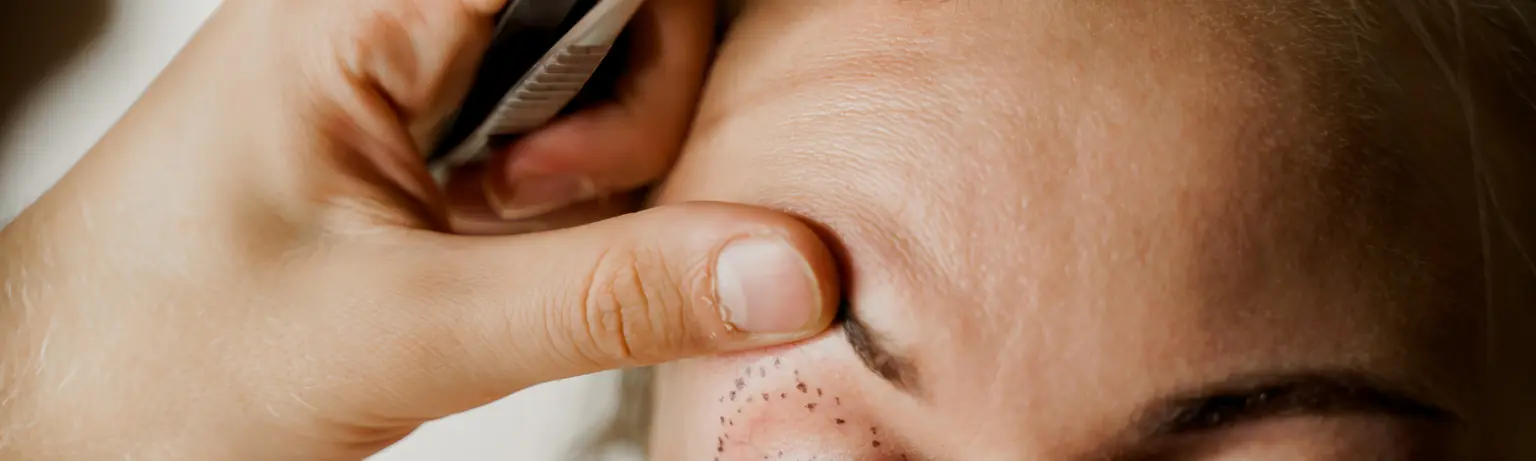
Blepharoplasty is an outpatient procedure, usually under local anesthesia with sedation or general anesthesia, and typically takes one to two hours depending on whether upper, lower, or both lids are treated. Incisions are placed in natural creases and lines so the scars sit hidden.
01
With you sitting upright, Dr. Sayed marks the exact skin and fat to address, confirming how much to remove to open the eye without hollowing it.
02
Local anesthesia with light sedation is common and comfortable; some combined cases use general anesthesia. You go home the same day either way.
03
For the upper lid, the incision hides in the natural eyelid crease. Excess skin, and a conservative amount of muscle or fat, are removed, then the crease is closed with fine sutures.
04
For the lower lid, the incision sits just under the lash line or inside the lid (transconjunctival, leaving no visible scar). Bulging fat is repositioned or reduced, and loose skin is tightened.
05
Incisions are closed with fine sutures. Because they follow natural creases and the lash line, the healed lines are usually very hard to see.
06
You rest briefly, then go home the same day with cold compresses and aftercare instructions. A responsible adult drives you.
Blepharoplasty is generally safe in trained hands, but every surgery carries risk. Eyelid-specific risks include temporary dry or watery eyes, blurred vision, bruising, asymmetry, difficulty fully closing the eyes early on, and, rarely, a change in lid position. Serious complications affecting vision are very rare.
Dr. Sayed lowers risk with conservative removal, careful screening of dry-eye history, and clear aftercare. He reviews your full history and medications at consultation so the plan fits your health.
Eyelid surgery may be deferred or declined with uncontrolled dry eye, certain thyroid-eye or retinal conditions, poorly controlled blood pressure or clotting issues, or expectations surgery cannot meet. An active eye infection should clear first.
If the real issue is a low brow, pigment, or volume loss, Dr. Sayed will say so and point you to the option that actually fits, even when that is not surgery.
Related and alternative options
Eyelid surgery is often one part of refreshing the eyes. A brow lift, skin resurfacing, or non-surgical treatments may do more for your particular concern, alone or alongside blepharoplasty.
The upper third of the face ages as a unit. Depending on your anatomy, the best result may come from eyelid surgery alone or from combining it with the brow, the skin, or lost volume. These are the options Dr. Sayed weighs with you.
See facial plastic surgery options
Raises a low, heavy brow that weighs on the upper lids.
Often the real fix when the upper lid looks hooded.
Can be combined with upper blepharoplasty.
Addresses the cheeks, jawline, and lower face.
Pairs with eyelid surgery for a full refresh.
Keeps the whole face in balance.
Lasers and peels treat fine lines and crepey texture.
Filler or fat can restore a hollow under-eye.
Botox softens the crow's feet around the eyes.
Brow Botox: can lift the tail of the brow slightly and soften frown lines, but will not remove eyelid skin.
Under-eye filler: adds volume to a hollow tear trough, a different problem from lower-lid bags.
Laser or peel: improves fine lines and texture on the lid skin, not the underlying fat or hooding.
Skin care: good retinoids and daily sun protection help the skin but do not change lid structure.
When surgery is better: true excess skin, heavy hooding, or fat bags need blepharoplasty, not a non-surgical workaround.

Before and after
Photographs show how eyelid surgery opens a hooded upper lid and smooths a tired lower lid while keeping the eyes looking like your own. Results vary from person to person; these are examples, not a promise of a specific outcome. Full galleries are shared in consultation.
Gallery 01
A hooded upper lid opened to show more of the natural eye.
Gallery 02
Under-eye bags and puffiness smoothed for a rested look.
Gallery 03
Combined upper and lower surgery for a full refresh of the eyes.
Gallery 04
Eyelid surgery paired with a brow lift when the brow was part of the problem.
Photographs are examples of real outcomes and are not a guarantee. Individual results depend on anatomy, healing, and the specific plan. All photos are shared with patient consent.
Cost and financing
In San Diego, blepharoplasty commonly runs about $4,000 to $9,000 for the upper or lower lids, and more when both are treated or combined with a brow lift. The exact quote follows an in-person exam.
Eyelid surgery pricing depends on whether you treat the upper lids, the lower lids, or both, the anesthesia used, and whether the work is combined with a brow lift or other procedures. The quote covers the surgeon's fee, anesthesia, and the facility. Where heavy upper lids block vision and testing confirms it, part of an upper blepharoplasty may be covered by insurance.
Upper, lower, or both: treating both lids costs more than one, but combining is often more efficient than two separate surgeries.
Anesthesia: local with sedation usually costs less than general anesthesia.
Combined procedures: adding a brow lift or facelift raises the total but shares one recovery.
Surgeon's experience: a double board-certified surgeon reflects training and the margin for careful, conservative work.
Functional component: when upper lids obstruct vision, documented testing may support partial insurance coverage.
Ask about eyelid surgery financing
Recovery
Most people are presentable within one to two weeks. Bruising and swelling peak in the first few days, then fade. Vision may be a little blurry early on from ointment and swelling; that settles quickly.
Days 1 to 3
Cold compresses, head elevated, rest. Expect swelling, bruising, and some tightness. Keep activity light and the eyes lubricated.
Days 4 to 7
Upper-lid sutures usually come out around day 5 to 7. Bruising starts to fade and makeup can often cover what remains.
Week 2
Most people are comfortable in public and back to desk work. Residual swelling keeps settling.
Weeks 3 to 6
Return to exercise as cleared. Scars along the creases and lash line continue to fade and soften.
Months 2 to 6
The final shape and the fully settled, rested look emerge as the last swelling resolves and scars mature.
Cold compresses: use them often in the first 48 hours to limit swelling and bruising.
Head elevated: sleep propped up for the first week to help swelling drain.
Lubricate the eyes: use the drops or ointment prescribed; mild dryness early on is normal.
Sun and screens: wear sunglasses outside and rest the eyes from long screen sessions early on.
No strain: avoid heavy lifting and bending for the first two weeks to protect the lids.
Follow up: keep your suture-removal and check visits so healing is monitored.
Ask about eyelid surgery recovery
Your surgeon
Eyelid surgery rewards restraint. Tim Sayed MD removes only what is needed and protects the tissue that keeps the eye looking young and natural.
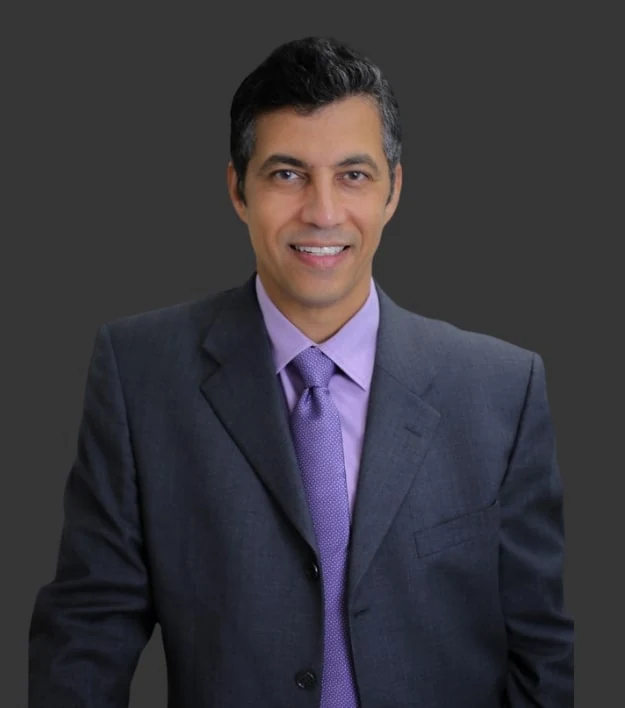
Tim Sayed MD, MBA, FACS is a double board-certified plastic surgeon, certified by both the American Board of Plastic Surgery and the American Board of Surgery. He trained at UCSF and at Harvard's Massachusetts General Hospital, and earned an executive MBA from Northwestern's Kellogg School of Management.
Dr. Sayed is a double board-certified plastic surgeon with more than 20 years of experience. His eyelid work is deliberately conservative: he plans each case to the millimeter, preserves protective fat, and assesses the brow and the whole upper face so the result looks rested rather than operated. He performs upper, lower, and combined blepharoplasty, and will tell you honestly when a brow lift or a non-surgical option fits you better.
American Board of Plastic Surgery
Board certified and recertified
American Board of Surgery
Board certified and recertified
UCSF School of Medicine
MD and plastic surgery residency
Harvard, Mass General
General surgery training
Kellogg School of Management
Executive MBA, Northwestern
Alpha Omega Alpha
National medical honor society
Serving Southern California
Dr. Sayed sees eyelid surgery patients at two Southern California offices: San Diego, at 4510 Executive Drive, Suite 210, near UTC and La Jolla; and Newport Beach, at 3991 MacArthur Boulevard, Suite 320, in the Airport Area near Fashion Island. Patients travel from across San Diego and Orange County for his conservative, natural eyelid results.
Southern California makes eyelid recovery easier. In the first weeks, sunglasses and gentle walks along the coast, in mild and dry weather, protect healing eyes from sun and wind without strain.
Tim Sayed MD, San Diego & Newport Beach
Offices
San Diego: 4510 Executive Drive, Suite 210, San Diego, CA 92121. Newport Beach: 3991 MacArthur Boulevard, Suite 320, Newport Beach, CA 92660.
Phone
(858) 247-2933
San Diego area
San Diego, La Jolla, UTC, Del Mar, Carmel Valley, Encinitas, Rancho Santa Fe
Orange County area
Newport Beach, Corona del Mar, Costa Mesa, Irvine, Laguna Beach, Fashion Island

If hooded upper lids or under-eye bags make you look tired, a consultation with Tim Sayed MD is the place to start. He will examine your eyes, explain upper, lower, or combined options honestly, and tell you whether eyelid surgery, a brow lift, or something simpler fits you best.
FAQ
In San Diego, blepharoplasty commonly runs about $4,000 to $9,000 for the upper or lower lids, and more when both are treated or combined with a brow lift. The quote covers the surgeon, anesthesia, and facility. When heavy upper lids block vision and testing confirms it, part of an upper blepharoplasty may be covered by insurance.
Upper eyelid surgery is long-lasting; results often hold for a decade or longer, and many patients never need it repeated. Lower eyelid results are also durable. Your face keeps aging gradually, so the lids change slowly over the years, but the skin and fat removed do not simply return.
Upper blepharoplasty removes excess skin and hooding from the upper lid to open the eye. Lower blepharoplasty treats under-eye bags and puffiness from fat, and loose lower-lid skin. They address different problems and are often performed together.
Most eyelid surgery takes about one to two hours, depending on whether the upper lids, lower lids, or both are treated and whether it is combined with another procedure. It is an outpatient procedure, so you go home the same day.
Most people are presentable within one to two weeks. Bruising and swelling peak in the first few days and then fade; upper-lid sutures usually come out around day 5 to 7. Most patients return to desk work in 7 to 10 days and to exercise in a few weeks.
Lower eyelid surgery is almost always cosmetic and not covered. Upper eyelid surgery may be partly covered when heavy, drooping lids block the upper field of vision and a visual-field test documents it. Dr. Sayed can perform that assessment and provide documentation so you can pursue coverage.
Through incisions hidden in the natural eyelid crease (upper) or just under the lash line or inside the lid (lower). Excess skin is trimmed and fat is repositioned or reduced, then the incisions are closed with fine sutures. It is usually done under local anesthesia with sedation as an outpatient.
That look comes from removing too much tissue. Dr. Sayed is deliberately conservative: he removes only what is needed and preserves protective fat, so the eyes look rested and natural rather than hollow or startled.
Incisions are placed in the natural eyelid crease and just under the lash line, or inside the lid where there is no external scar at all. Once healed, the lines are usually very hard to see.
Sometimes. A low, heavy brow can press on the upper lid and mimic excess eyelid skin. If the brow is the real problem, a brow lift is the right fix, and removing eyelid skin would not help. The exam sorts out which one, or whether you need both.
Not directly. Eyelid surgery addresses skin excess and fat, not pigment or surface texture. Dark circles and fine lines respond better to lasers, peels, filler, or skin care, which can be combined with surgery.
Risks include temporary dry or watery eyes, blurred vision, bruising, swelling, asymmetry, and, rarely, a change in lid position. Serious vision problems are very rare. Careful screening of dry-eye history and conservative technique keep risk low.
Eye makeup is usually fine about two weeks after surgery, once incisions have healed. Contacts can often go back in around that time too, but follow the specific timeline Dr. Sayed gives you, since it depends on how you heal.
Good candidates are adults bothered by hooded upper lids or under-eye bags, in good general health, with realistic goals and no uncontrolled dry eye or eye disease. A consultation and exam confirm whether upper, lower, or combined surgery, or another option, fits you.
Patient Reviews