(858) 247-2933
Book
Book a consultation
Breast Surgery
A breast lift (mastopexy) raises and firms sagging breasts using your own tissue, with no implants needed. Dr. Tim Sayed, a double board-certified plastic surgeon, performs breast lifts at his La Jolla office near Westfield UTC for women across San Diego County, many of them restoring a natural shape after pregnancy, weight change, or implant removal.
20+
Years in practice
Double
Board-certified
1:1
Surgeon-led care
At a glance
What it is
A procedure that lifts and reshapes drooping breasts with your own tissue, raising the nipple to a natural position without implants or added volume.
Who it suits
San Diego women with sagging, deflated, or downturned breasts after pregnancy, weight loss, aging, or implant removal, who are healthy and at a steady weight.
La Jolla cost
Typically about $10,000 to $16,000 in total around San Diego, covering the surgeon's fee, anesthesia, and the accredited facility. Financing is available, and your exact price comes in a written quote.
Procedure time
Roughly 2 to 3 hours, done as outpatient surgery under general anesthesia, so you go home to recover the same day.
Recovery
Desk work in about 1 to 2 weeks, full exercise around 4 to 6 weeks, and the final shape settling over 3 to 6 months.
Provider
Tim Sayed MD, MBA, FACS, a double board-certified plastic surgeon with more than 20 years in practice.
A lift repositions and firms the breast; it does not change its size. If you want to stay near your current cup size with breasts that sit higher, a lift alone is usually the right fit; if you also want more fullness in the upper breast, a lift with implants is the combined option.
The procedure
A breast lift, or mastopexy, is surgery that corrects sagging breasts, a condition doctors call ptosis. At the La Jolla office, Dr. Sayed trims away stretched skin, tightens and reshapes the breast tissue, and lifts the nipple and areola to a higher, forward-facing position. It is an outpatient procedure under general anesthesia and generally takes about 2 to 3 hours.
Women in San Diego usually come in for one of three reasons: drooping after pregnancy and nursing, loose skin after major weight loss, or deflation after implants are removed. The aim each time is a breast that sits higher and looks balanced with the rest of the body.
On its own, a lift does not add size or fill out the upper breast. If restoring lost volume is your priority, a breast lift with implants pairs the lift with an implant to handle size and position together.
Candidacy
A breast lift is likely right for you if your breasts droop, point down, or have lost their shape, and you are healthy and holding a steady weight. It fits San Diego women after pregnancy, weight loss, or implant removal who want a natural lift rather than a larger size. At the consultation, Dr. Sayed checks your skin, nipple position, and tissue to decide whether a lift by itself, or combined with another procedure, suits your goals.
have breasts that sag, droop, or have lost firmness and shape
have nipples or areolae that point downward or sit below the breast crease
are at a stable weight and in good general health
are a nonsmoker or are willing to stop all nicotine for several weeks before and after surgery
have realistic goals and are able to set aside time for recovery
are planning a future pregnancy, which can stretch the breasts and change your result
are still breastfeeding or stopped less than 6 months ago
are actively losing a large amount of weight, in which case it is better to reach a stable weight first
mainly want more size or upper fullness, which calls for implants or a lift with implants rather than a lift alone
expect a lift to erase every sign of aging permanently, which no surgery can promise
The usual misunderstanding is that a lift makes you bigger. It lifts and firms what is already there; a larger cup requires implants or fat grafting added during or after the lift.
Your options
No single lift pattern is best for everyone. How much your breasts sag and how much loose skin needs to be removed decide the approach, and Dr. Sayed recommends the least scarring that will still hold the shape.
A ring-shaped incision around the areola removes a small amount of skin for a gentle lift. It works for mild sagging and leaves the least noticeable scar, but it cannot correct significant drooping by itself.
This pattern adds a vertical incision from the areola to the breast crease, giving Dr. Sayed room to reshape tissue for moderate sagging or post-pregnancy change. It is the most commonly used pattern and balances reshaping against scarring.
This pattern adds a third incision along the breast crease for the most correction, suited to significant drooping or the extra skin left after major weight loss or implant removal. The trade-off is a longer scar for the strongest lift.
Beyond the incision pattern, Dr. Sayed weighs whether to reduce a stretched areola, add fat grafting for upper fullness, or combine the lift with implant removal or a small implant, reviewing each option with you using your own measurements at the La Jolla consultation.
The guiding rule: your degree of sagging determines the scar, not the reverse. Dr. Sayed chooses the smallest incision that is likely to hold your result rather than promising a pattern that cannot.
How it works
The lift is done under general anesthesia at an accredited surgery center and usually takes about 2 to 3 hours. After marking your skin while you stand, Dr. Sayed removes stretched skin, reshapes the tissue into a higher, firmer mound, moves the nipple and areola up, and closes in layers so the deep tissue carries the tension. Three choices drive the outcome: the incision pattern, how the nipple is repositioned, and whether volume is added.
Donut. The least scar, for mild sagging only.
Lollipop. A vertical scar for moderate sagging, the most common choice.
Anchor. The most reshaping, for significant droop or loose skin after implant removal.
Pedicle. The nipple stays attached to its own blood supply and nerves as it is lifted, which helps preserve sensation and, in most cases, the ability to breastfeed.
Areola size. A stretched areola can be reduced to match the new, higher breast shape.
Symmetry. Each side is planned to its own measurements, since few breasts start out matched.
Auto-augmentation. Your own lower breast tissue can be rotated upward to add natural upper-pole fullness without an implant, which is useful after implant removal.
Fat grafting. A small amount of your own fat can be added for subtle fullness in the same procedure.
Tension on tissue, not skin. Closing the deep layer under tension helps the result last and helps keep scars fine.
Many lifts are combined with another procedure. For more size, see breast lift with implants in La Jolla; if you are having implants removed, Dr. Sayed often performs the lift during breast implant removal. You can also see the regional overview of breast lift in Southern California or the full range of breast surgery.
Cost
A breast lift around La Jolla and San Diego generally costs about $10,000 to $16,000 in total, including the surgeon's fee, general anesthesia, and accredited facility fees. Adding implants or a second procedure raises the total, and the final figure depends on the incision pattern and complexity. The only exact number is the written quote you get after your consultation.
Plan on roughly $10,000 to $16,000 for a breast lift in the San Diego area, more if implants or another procedure are added. Your written consultation quote is the only exact figure, because price follows the technique your anatomy needs.
Incision pattern and complexity. A full anchor lift involves more surgery and operating time than a modest donut lift, which affects the fee.
Combined procedures. Pairing the lift with implants, implant removal, or a tummy tuck raises the total, though combining can cost less than separate surgeries.
Anesthesia and facility. Surgery is performed with board-certified anesthesia care at an accredited surgical facility, and both are included in your quoted price.
Surgeon experience. The fee reflects the experience of a double board-certified plastic surgeon with more than 20 years in practice, and experience can help make results more predictable.
A breast lift is an elective cosmetic procedure, so it is not usually covered by insurance. Financing options let you spread the cost over monthly payments, and you can review typical plastic surgery pricing before your visit.
Recovery
Most patients are back at desk work in about 1 to 2 weeks, ease into light activity soon after, and resume full exercise around 4 to 6 weeks. Swelling fades over the following weeks and the final shape settles over 3 to 6 months. Dr. Sayed provides a written recovery plan and follows your progress at every stage.
Day of surgery
You go home the same day in a supportive surgical bra, with mild to moderate soreness managed by medication.
First week
Rest with limited arm motion; most soreness and bruising peak and then begin to ease.
Weeks 2 to 4
Return to desk work and light daily activity, and switch to the bras Dr. Sayed recommends.
Weeks 4 to 6
Gradually resume full exercise and heavier lifting as cleared at your follow-up.
3 to 6 months
Swelling largely resolves, scars begin to fade, and your final lifted shape settles in.
Sleeping. Sleep on your back, slightly elevated, for the first few weeks to protect the healing breasts.
Driving. Resume driving once you are off prescription pain medication and can move comfortably, usually within about a week.
Exercise. Walking is encouraged early; chest and upper-body workouts wait until you are cleared around 4 to 6 weeks.
Scars. Incision lines look pink and firm at first, then soften and fade over 6 months to 2 years; Dr. Sayed guides scar care throughout.
Breastfeeding. Because the nipple stays attached to its tissue, many patients can still breastfeed, though it cannot be guaranteed for anyone.
The surgeon
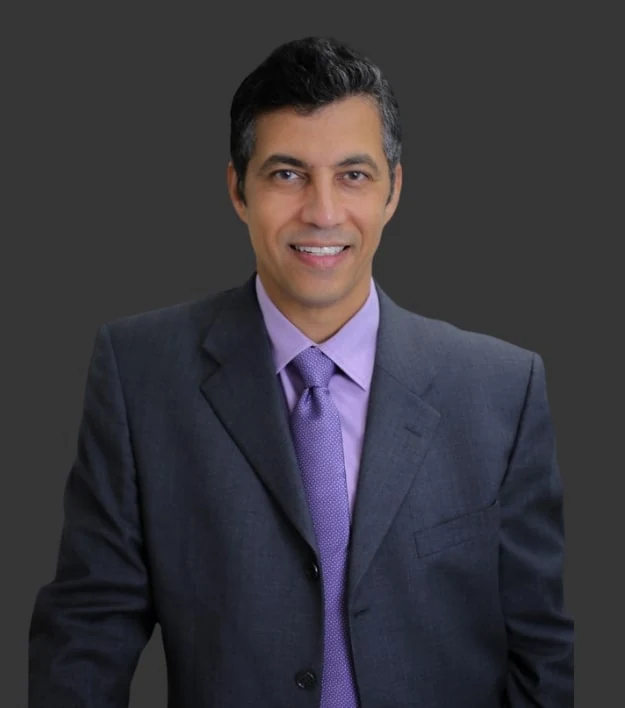
A breast lift depends on judgment as much as technical skill, because the surgeon must pick the pattern that holds the shape with the least scar, and Tim Sayed MD brings both. He is double board-certified by the American Board of Plastic Surgery and the American Board of Surgery, trained at UCSF, Harvard, and Massachusetts General Hospital, with more than 20 years in practice. The surgeon who plans your lift at the La Jolla office is the one who performs it and sees you through recovery.
Dr. Sayed is known nationally for breast implant removal and breast implant illness care, so he routinely reshapes breasts stretched by implants, which is demanding lift work. That experience informs how he handles tissue and places every incision. Review his credentials and results before you decide.
American Board of Plastic Surgery
American Board of Surgery
Fellow, American College of Surgeons
20+ years in practice
The area
Tim Sayed MD's La Jolla office sits near Westfield UTC and University City, drawing patients from across San Diego County, including Torrey Pines, Del Mar, Carmel Valley, Encinitas, and Carlsbad. For the regional picture, see breast lift in Southern California, or explore the full range of breast surgery.
San Diego's beaches and active lifestyle, from La Jolla Cove and Torrey Pines to year-round beach days, Pilates, and coastal hikes, are part of daily life for many patients. Because a breast lift is about shape and position rather than size, it tends to sit naturally under swimwear once you heal. The coastal sun can darken fresh scars, so Dr. Sayed has every La Jolla patient keep incisions covered and out of direct UV for the first several months, which is easy to manage here with good sunscreen.
4510 Executive Drive, Suite 210
San Diego, CA 92121
Get directions to the La Jolla office on Google Maps
Typical drive times to the office
La Jolla Village
5 min
University City / UTC
4 min
Del Mar
12 min
Carmel Valley
13 min
Carlsbad
35 min
Encinitas
25 min
Sit down one-on-one with Tim Sayed MD at the La Jolla office to go over your options. You will leave with a clear recommendation, a straight answer on candidacy, and a written quote for your breast lift.
Questions
A breast lift around La Jolla and San Diego usually costs about $10,000 to $16,000 in total, covering the surgeon, general anesthesia, and accredited facility fees. It is an elective cosmetic procedure that insurance rarely covers, though financing is available. Your exact price comes in a written quote after the consultation.
A lift mainly changes shape and position rather than size, so your cup usually stays close to where it began. Taking out stretched skin can leave breasts feeling a little firmer and smaller, while lifting tissue higher can make them look fuller. For a noticeable size increase, implants or fat grafting can be added during the lift.
Scars circle the areola and, depending on the pattern, run down to the breast crease and sometimes along the crease itself. They start pink and firm, then usually soften and lighten over 6 months to 2 years. Dr. Sayed places incisions where bras and swimwear can often cover them and guides scar care throughout, though no scar vanishes entirely.
Most patients are back to desk work in about 1 to 2 weeks and cleared for full exercise near 4 to 6 weeks. Swelling settles over the following weeks and the final shape settles over 3 to 6 months. You head home the same day with a written recovery plan.
Many women can still breastfeed after a lift because the nipple stays connected to its underlying ducts, nerves, and blood supply. Even so, no breast surgery can guarantee breastfeeding, and supply or sensation may change. If you plan to nurse later, let Dr. Sayed know so he can plan around it.
Results are long-lasting but not permanent, and many women keep a higher, firmer shape for years, especially at a steady weight with good support. Aging, gravity, pregnancy, and weight swings continue to affect the breasts, so some settling is normal, but the breasts generally stay well above their starting point.
Only if you want more size or upper fullness than your own tissue gives. A lift alone raises and firms what you have; an implant adds volume at the same time. Many patients after pregnancy or implant removal are happy with a lift alone, and Dr. Sayed gives you a straight answer on which fits. See breast lift with implants in La Jolla for the combined option.
Yes, and it is one of the most common steps after implants come out, often in the same operation. With the implants gone, the remaining skin and tissue are reshaped and lifted, sometimes using your own tissue for upper fullness, to rebuild a natural shape. Dr. Sayed is known nationally for breast implant removal and BII care.
Most patients keep normal nipple sensation because the nipple is lifted while still attached to its nerves and blood supply. Some temporary change during healing is common, and a small permanent change is possible, as with any breast surgery. An experienced, board-certified surgeon can help lower that risk.
Most patients feel tightness and soreness rather than sharp pain in the first few days, managed with the medication Dr. Sayed prescribes. It eases quickly over the first week, and many are off prescription pain medicine within a few days. You go home the same day in a supportive surgical bra.
Look for a surgeon board-certified by the American Board of Plastic Surgery who performs breast lifts regularly and can show you their own patients' before and after photos. Ask who does the surgery and who handles your follow-up. Tim Sayed MD is double board-certified, has practiced for more than 20 years, and personally sees each patient from the La Jolla consultation through healing.
Patient Reviews