(858) 247-2933
Book
Book a consultation
Breast Surgery
For trans women and transfeminine patients in Orange County, MTF breast augmentation adds the fullness that hormone therapy often doesn't provide on its own. Tim Sayed MD, a double board-certified plastic surgeon, sees patients at his Newport Beach office on MacArthur Boulevard and plans implant choice, placement, and incision around your frame and your goals.
20+
Years in practice
Double
Board-certified
1:1
Surgeon-led care
At a glance
What it is
An implant-based procedure, sometimes combined with fat grafting, that gives a transfeminine chest more volume and a feminine shape. It usually follows a period of estrogen therapy.
Who it suits
Trans women and transfeminine people in good health who want more breast volume than hormone therapy has given them.
Newport Beach cost
Generally $9,000 to $15,000, with the surgeon's fee, anesthesia, facility, and implants included, and lower when fat grafting is done without implants. Financing is available, and your written quote is the final number.
Procedure time
An outpatient operation of about 1.5 to 2 hours. You're under general anesthesia and leave the same day.
Recovery
Most people are back at a desk within about a week and return to most activity at four to six weeks.
Provider
Tim Sayed MD, MBA, FACS, certified by the American Board of Plastic Surgery and the American Board of Surgery, with more than 20 years in practice.
Estrogen often brings some breast growth, but for many trans women it stops short of the fullness they had hoped for. Breast augmentation closes that gap with implants, and sometimes fat grafting, sized and placed for your chest and proportions.
The procedure
Also known as transfeminine top surgery or transgender breast augmentation, MTF breast augmentation is part of gender-affirming care for trans women and transfeminine people. Implants supply the added volume, and a small amount of fat grafting is sometimes used to fine-tune the shape so the chest looks natural and in proportion.
Hormone therapy usually produces some breast growth, but it tends to plateau around the two-year mark, often below the size a patient wants. Implants provide the fullness and projection that estrogen alone can't, in a size and shape you choose with Dr. Sayed. The goal is a feminine, proportionate chest you're comfortable with, in clothes and out of them.
Breast augmentation shapes the chest only; facial feminization and genital surgery are separate operations. For a closer look at implant technique, see breast augmentation and subfascial breast augmentation.
Candidacy
Good candidates are in good general health, want more volume than hormone therapy has produced, and come in with realistic goals. Hormones aren't strictly required, but most surgeons suggest a period on estrogen first so your own growth can plateau and the implant can be sized around it. At the Newport Beach office, your consultation covers your health history, what you'd like to achieve, and any paperwork that applies to you.
want more fullness and a more feminine shape than hormone therapy has produced
have been on estrogen for a while and your breast growth has plateaued
are in good health with a stable weight
are a nonsmoker, or are ready to stop all nicotine before surgery and through healing
have clear, realistic goals and understand what recovery takes
are new to estrogen and your breasts may still be growing
need to stabilize your weight or manage a health condition first
still use nicotine and aren't able to stop while you heal
want facial or genital surgery more than breast surgery right now; those are separate procedures
are hoping for a permanent, no-maintenance result, since implants may need revision in the future
Because the implant plan is built around the breast tissue you have, results are most predictable after estrogen has had time to work. Breast augmentation changes the chest only, not the face or genitals.
Your options
No single approach suits everyone. Your plan reflects your chest, how much you've developed on hormones, and the look you want. Implants are often combined with a little fat grafting, and many patients have areola or nipple work in the same surgery.
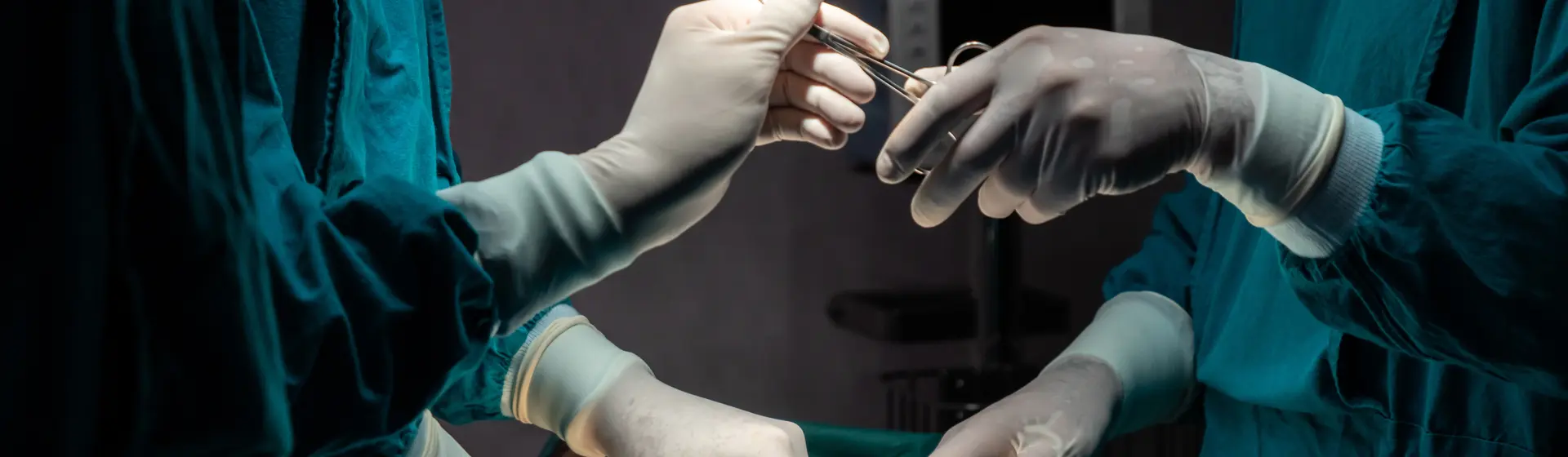
Breast implants provide the main increase in volume and projection, and they do it reliably. Silicone gel is the most popular choice because it feels natural, though saline is an option. The transfeminine chest tends to be broader, with a tighter skin envelope, so size, profile, and placement are planned with care to give a feminine shape that isn't set too far apart or too projected.
Fat grafting moves a little of your own fat, collected by liposuction elsewhere on the body, to the breast to blur the implant's edges and shape the upper breast and cleavage. Because fat alone seldom adds enough volume where there is little breast tissue, it's mostly used together with implants, where it helps the chest and implant blend naturally.
After estrogen and augmentation, the areola or nipple may be out of proportion with the new breast or sit in a different place. Reduction or repositioning can be added to your surgery, usually in the same operation and through concealed incisions. Learn more about nipple and areola surgery.
Chest or body contouring can be combined with augmentation, and when the skin envelope is very tight, a staged approach with a tissue expander is occasionally used. At your consultation, Dr. Sayed recommends the approach, or combination, that fits your body and goals.
Most plans draw on more than one of these: implants supply the volume, fat grafting refines the contour, and areola or nipple work keeps the proportions right. Many patients have them together, so there's only one recovery to plan around.
How it works
Surgery takes roughly 1.5 to 2 hours under general anesthesia at an accredited surgery center. Before you go in, Dr. Sayed marks the plan with you sitting up. He then makes the chosen incision, forms the implant pocket above or below the chest muscle, inserts the implant, adjusts the areola if that's planned, and closes the incision in layers. You leave the same day with a companion.
General anesthesia. You're fully asleep for the surgery, which takes place in an accredited outpatient facility.
About 1.5 to 2 hours. Your incision and implant placement, plus any fat grafting or areola work, affect how long it takes.
Outpatient. There's no overnight stay; you head home with a companion and written aftercare instructions.
Implant type. Silicone gel for a natural feel, or saline. Cohesive gel implants keep their shape well on a transfeminine chest.
Implant placement. Over or under the muscle, often in a dual-plane position, for good implant coverage and a natural appearance.
Incision. The fold beneath the breast, the areola border, or the armpit, chosen to keep the scar out of sight.
Size and profile. Selected for your chest width and skin envelope, so the breasts look feminine and in proportion rather than set too far apart.
Scars. Careful incision placement and closure help keep scars subtle as they fade over time.
Sensation. Care is taken around the nerves to the nipple while the pocket is made, helping most patients keep their sensation.
Technically, this is the same implant surgery used in cosmetic augmentation. Read more about breast augmentation and subfascial breast augmentation, or see every option on our breast surgery page.
Cost
The total for MTF breast augmentation in Newport Beach is typically about $9,000 to $15,000, with the surgeon's fee, anesthesia, facility charges, and implants included. Your implant type, any added fat grafting or areola work, and the rest of your surgical plan determine where you fall in that range.
For an exact figure, you'll get a written quote after your consultation, based on the implants you choose and anything added to the procedure.
Implants. Saline costs less than silicone gel, and cohesive gel implants vary in price.
Combined procedures. Fat grafting, nipple or areola refinement, and a breast lift with implants each add to the price.
Facility and anesthesia. The accredited surgery center and general anesthesia are already part of the total.
Your surgeon. The fee reflects double board certification in plastic surgery and the training behind it.
More health plans now cover gender-affirming breast augmentation, which is increasingly recognized as medically necessary. Dr. Sayed is out-of-network and does not bill insurers directly, but his office supplies the operative documentation you'll need to submit an out-of-network or reimbursement claim. To spread out payments, see financing options, or request a written estimate through the pricing page.
Recovery
Healing follows much the same pattern as cosmetic augmentation: desk work in about a week, light activity after two to three weeks, and most activity, including chest exercise, around four to six weeks as the implants settle. You'll leave in a supportive surgical bra with written instructions. The office is close to John Wayne Airport, which helps if you're flying in, but ask about your follow-up schedule before you book a flight home.
Day of surgery
You're asleep under general anesthesia and home the same day in a surgical bra. Expect your chest to feel sore and tight.
First week
Expect swelling and tightness. Many patients need prescription pain medication for only a few days and are back at a desk within about a week.
Weeks 2 to 4
Swelling goes down and you can resume light activity. The supportive bra stays on, and Dr. Sayed lets you know when gentle movement can be added.
Weeks 4 to 6
Normal routines and lower-body workouts return. Upper-body and chest training wait for your surgeon's clearance.
3 to 6 months
Over these months the implants soften and settle into a natural position, scars continue to fade, and your final shape emerges.
Sleep. Back sleeping with your head and shoulders a little elevated is recommended for the first few weeks.
Driving. You can usually get back behind the wheel within a few days to a week, once you're off prescription pain medication.
Workouts. Walking right away, light activity from two to three weeks, and chest work at about four to six weeks, after your surgeon clears you.
Support. A supportive surgical bra with no underwire is worn around the clock early on while the implants settle.
Sensation and scars. Changes in nipple or skin sensation are usually temporary, settling within weeks to months, and scars fade through the first year.
The surgeon
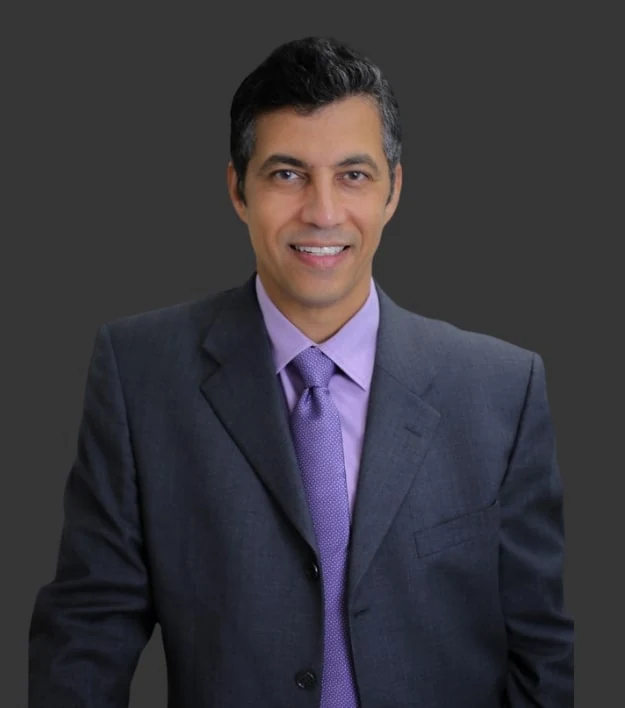
Tim Sayed MD trained at UCSF, Harvard, and Massachusetts General Hospital and has been in practice for more than 20 years. He holds board certification from both the American Board of Plastic Surgery and the American Board of Surgery. That experience matters here, because a transfeminine chest differs from a cisgender woman's chest in ways that shape the implant plan.
Dr. Sayed's focus on breast implant revision and removal means he knows implants and the chest wall in detail, and that knowledge guides each decision about size, placement, and incision. From consultation to surgery, you work with him directly. See his credentials and training.
American Board of Plastic Surgery
American Board of Surgery
Fellow, American College of Surgeons
20+ years in practice
The area
Tim Sayed MD's Newport Beach office is on MacArthur Boulevard near Fashion Island and John Wayne Airport and welcomes trans women and transfeminine patients from across Orange County for MTF breast augmentation, including Corona del Mar, Costa Mesa, Irvine, Huntington Beach, Laguna Beach, and Newport Coast. San Diego County patients can also see Dr. Sayed at the La Jolla office, and our Southern California MTF breast augmentation page covers both locations.
Orange County life, from the sand at Corona del Mar to boating on Newport Harbor, means plenty of time in swimwear, so a natural-looking chest matters to many patients. Dr. Sayed plans discreet incisions, and with so much sun along the coast, it pays to follow your scar care routine closely while you heal.
3991 MacArthur Boulevard, Suite 320
Newport Beach, CA 92660
Get directions to the Newport Beach office on Google Maps
Drive times to the office
Fashion Island
5 min
Corona del Mar
9 min
Costa Mesa
6 min
Irvine
9 min
Balboa Island
12 min
Laguna Beach
16 min
At the MacArthur Boulevard office, you meet privately with Dr. Sayed to go over what you want, the options that fit, and the right implants for your chest. You'll walk out with his recommendation, a realistic picture of results, and a written quote.
Questions
The typical range in Newport Beach is about $9,000 to $15,000, including the surgeon, anesthesia, facility, and implants. Coverage for gender-affirming breast augmentation is growing; Dr. Sayed is out-of-network, so his team gives you the paperwork to submit a reimbursement claim. Financing is available, and the written quote from your consultation is the exact figure.
Hormone therapy is not an absolute requirement. Still, most surgeons recommend a period on estrogen beforehand, frequently around 12 months, to let breast growth level off so the implant can be sized for the tissue you have. More developed tissue can mean a smaller implant and a more natural look. Timing is a decision you make with your surgeon and your prescribing clinician.
Possibly. More health plans now cover gender-affirming breast augmentation as it is increasingly recognized as medically necessary, though each plan sets its own coverage and requirements. Because Dr. Sayed is out-of-network, insurance isn't billed directly; instead, his office gives you the operative documentation to file an out-of-network or reimbursement claim. You can go over the details at your consultation.
Surgery generally follows the WPATH Standards of Care, and a referral letter from a qualified health professional confirming readiness is commonly requested, both by many surgeons and by most insurers that cover the procedure. Requirements differ by plan and situation; Dr. Sayed confirms what applies to you during your consultation.
Chest width and skin, more than cup size, decide what's realistic. A transfeminine chest is often broader, with tighter skin and less existing tissue, so the implant is matched to your frame, which is where the most natural results come from. Going larger is possible, sometimes in stages. Dr. Sayed reviews sizers and implant profiles with you so the goal fits your anatomy.
Silicone gel is the usual choice for its natural feel, with saline available as an alternative. A dual-plane position, partly beneath the chest muscle, is often used because it covers the implant well and gives a natural slope to the upper breast on a chest with little tissue of its own. The final choice of implant and plane depends on your chest and goals.
Incisions can be placed in the crease under the breast (the inframammary fold), along the lower edge of the areola, or in the armpit. The fold incision is common, since the crease hides the scar and it gives precise control over where the implant sits. Careful placement and closure help keep the scar discreet, and most scars fade during the first year.
Often, yes. Estrogen and the new volume can change the position of the areola and nipple. Areola reduction, nipple reduction, or repositioning can be added to the same operation, using concealed incisions, so they sit in proportion on the new breast. More on nipple and areola surgery.
Most patients keep nipple sensation; the nerves are handled carefully during surgery to help protect it. Early numbness or extra sensitivity is common and typically fades over weeks to a few months. Permanent change is uncommon, though the chance is slightly higher with larger implants or certain incisions, and your surgeon will talk through your own risk.
It depends on what matters most to you, your overall health, and how much recovery time you want between operations. Breast augmentation is often done as a stand-alone surgery so the chest can heal undisturbed, and it can be scheduled before or after facial feminization or other gender-affirming procedures. Dr. Sayed can help you map out a sensible order.
Follow your primary care clinician's guidance, since screening depends on your age, how long you've taken estrogen, and your personal and family history. Breast implants don't stop you from getting a mammogram; tell the imaging center about them so it uses the appropriate technique. Your care team can set the right schedule for you.
Patient Reviews